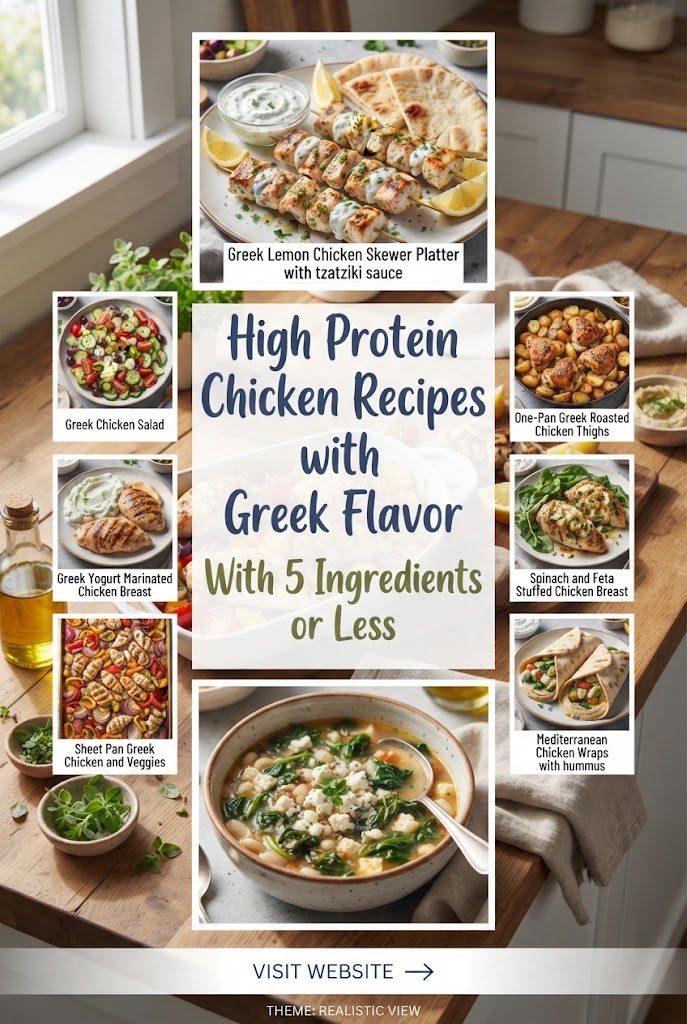
In the modern world of fitness and wellness, the quest for the perfect meal often feels like a balancing act between nutritional density and culinary satisfaction. We want meals that fuel our muscles, keep us satiated, and—most importantly—taste like they were prepared in a professional kitchen rather than a plastic container. This is where the magic of Greek cuisine enters the spotlight.
Greek cooking is inherently minimalist. It relies on the “Holy Trinity” of Mediterranean flavors: lemon, garlic, and oregano, often finished with a drizzle of liquid gold (olive oil). By focusing on these high-impact ingredients, you can create high-protein masterpieces using five ingredients or less. This guide explores the philosophy of Greek high-protein cooking and provides a comprehensive roadmap to mastering five iconic recipes that will transform your meal prep.
The Philosophy of the Five-Ingredient Greek Kitchen
Why five ingredients? The answer lies in the concept of “flavor integrity.” When you use high-quality protein and pair it with potent aromatics, you don’t need a pantry full of spices to create depth. In Greek cooking, each ingredient serves a specific functional and flavorful purpose:
- The Acid (Lemon): Tenderizes the chicken fibers and brightens the palate.
- The Fat (Olive Oil or Feta): Carries the fat-soluble flavors of the herbs into the meat.
- The Herb (Oregano or Thyme): Provides the earthy, floral notes synonymous with the Mediterranean.
- The Aromatic (Garlic): Adds a pungent, savory base that builds complexity.
- The Protein (Chicken): The canvas that absorbs all these elements while providing the essential amino acids for muscle repair.
By stripping away the “noise” of complex recipes, we allow these five elements to shine, resulting in a meal that is clean, digestible, and incredibly easy to prepare during a busy work week.
Ingredient Details in Form Shape
Before diving into the recipes, let’s examine the nutritional profile and functional role of our primary ingredients.
The Core Ingredient Table
| Ingredient | Protein Content (per 100g) | Primary Benefit | Role in Greek Flavor |
|---|---|---|---|
| Chicken Breast | 31g | High bioavailable protein; low fat. | The main vehicle for seasoning and texture. |
| Greek Yogurt | 10g | Probiotics; calcium; thick texture. | Acts as a tenderizing marinade and creamy sauce. |
| Feta Cheese | 14g | High calcium; tangy flavor profile. | Adds saltiness and a creamy, melted texture. |
| Kalamata Olives | 1g | Healthy monounsaturated fats. | Provides an “umami” saltiness and depth. |
| Lemon Juice | 0.4g | Vitamin C; citric acid. | Breaks down tough proteins and balances fats. |
| Dried Oregano | 9g (per 100g) | High antioxidants; antimicrobial. | The signature “scent” of Greek cuisine. |
| Fresh Garlic | 6g | Allicin for heart health. | Provides the foundational aromatic punch. |
Macronutrient Target Form
| Recipe Component | Target Grams (approx.) | Goal |
|---|---|---|
| Protein | 40g – 55g | Muscle Synthesis & Satiety |
| Healthy Fats | 10g – 15g | Hormonal Health & Vitamin Absorption |
| Carbohydrates | < 5g (from sauce) | Low-carb/Keto Friendly |
Recipe 1: The “Classic Greek Island” Lemon Oregano Chicken
This is the bedrock of Mediterranean meal prep. It is simple, timeless, and produces chicken that is as juicy as it is flavorful.
Ingredient Detail (Form Shape)
| Item | Quantity | Specification |
|---|---|---|
| Chicken Breast | 1.5 lbs | Boneless, skinless, pounded to even thickness |
| Fresh Lemons | 2 Large | Juiced and zested |
| Dried Oregano | 2 tbsp | Greek or Mediterranean variety |
| Garlic Cloves | 4-6 | Minced or crushed into a paste |
| Extra Virgin Olive Oil | 2 tbsp | Cold-pressed for maximum flavor |
Note: Salt and Black Pepper are considered pantry staples and are not included in the 5-count.
Step-by-Step Recipe Details
- Preparation of the Bird: Begin by cleaning the chicken breasts. If they are particularly thick, butterfly them or use a meat mallet to pound them to a consistent 1/2-inch thickness. This ensures even cooking and prevents the edges from drying out before the center is done.
- The “Ladolemono” Marinade: In a glass bowl, whisk together the olive oil, lemon juice, lemon zest, minced garlic, and oregano. The zest is crucial here; it contains the essential oils that provide a deep citrus aroma without the sharp acidity of the juice.
- The Marinating Phase: Place the chicken in a reusable silicone bag or a shallow dish. Pour the marinade over the chicken, ensuring every inch is coated. Massage the marinade into the meat. Let it sit in the refrigerator for at least 30 minutes, though 2 hours is ideal. Do not exceed 4 hours, as the acid in the lemon will begin to “cook” the chicken and turn the texture mushy.
- The Searing Process: Heat a cast-iron skillet or heavy-bottomed pan over medium-high heat. Add a tiny splash of oil. Once the pan is shimmering, place the chicken in. Sear for 5-6 minutes on the first side without moving it to develop a golden-brown crust.
- Finishing: Flip the chicken and cook for another 4-5 minutes. Use a meat thermometer to ensure the internal temperature reaches 165°F (74°C).
- Resting: Remove the chicken from the pan and let it rest on a cutting board for 5 minutes. This allows the juices to redistribute, ensuring a moist bite.
Recipe 2: Creamy Garlic & Greek Yogurt Roasted Chicken
Greek yogurt is a secret weapon for high-protein cooking. It contains lactic acid, which tenderizes chicken more gently than lemon juice, resulting in an incredibly soft texture.
Ingredient Detail (Form Shape)
| Item | Quantity | Specification |
|---|---|---|
| Chicken Thighs | 1.5 lbs | Boneless, skinless for lower fat/high protein |
| Greek Yogurt | 1 cup | Plain, full-fat or 2% for creaminess |
| Garlic | 1 entire bulb | Roasted or finely minced |
| Dried Thyme | 1 tbsp | For earthy notes |
| Lemon Zest | 1 tbsp | To cut through the richness |
Step-by-Step Recipe Details
- Creating the Protein Paste: In a medium bowl, combine the Greek yogurt, garlic, thyme, and lemon zest. The yogurt should be thick (strained); if there is excess whey, drain it off first.
- Coat and Chill: Slather the chicken thighs in the yogurt mixture. Unlike lemon-based marinades, the yogurt can sit on the chicken overnight. This creates a protective “crust” that keeps the moisture locked in during roasting.
- Preheat the Oven: Set your oven to 400°F (200°C).
- Roasting: Place the chicken on a baking sheet lined with parchment paper. Do not wipe off the yogurt; it will bake into a delicious, savory coating. Roast for 20-25 minutes.
- Broiling for Color: During the last 2 minutes, turn the oven to “Broil.” This will slightly char the yogurt coating, giving it a smoky, tandoori-like finish that mimics a traditional Greek grill.
- Serving: This recipe pairs perfectly with a side of steamed spinach or a simple cucumber salad.
Recipe 3: Feta-Crusted Baked Chicken Breast
This recipe utilizes the saltiness of Feta cheese to season the chicken from the outside in. It’s a high-protein dish that feels indulgent but remains remarkably clean.
Ingredient Detail (Form Shape)
| Item | Quantity | Specification |
|---|---|---|
| Chicken Breast | 2 large | Approx. 8oz each |
| Feta Cheese | 1/2 cup | Crumbled (Block feta is better than pre-crumbled) |
| Dried Oregano | 1 tsp | For the crust |
| Black Olives | 1/4 cup | Finely chopped |
| Olive Oil | 1 tbsp | To bind the crust |
Step-by-Step Recipe Details
- Preparing the Crust: In a small bowl, mash the crumbled feta, chopped olives, oregano, and olive oil together using a fork. You want to create a thick, paste-like consistency.
- Seasoning the Base: Lightly salt and pepper your chicken breasts.
- The “Topping” Application: Place the chicken on a baking tray. Spread the feta mixture evenly over the top of each breast, pressing down firmly so it adheres.
- Baking: Bake at 375°F (190°C) for 25-30 minutes. As the chicken bakes, the feta will soften and brown, while the olives release their oils into the meat.
- The Check: Ensure the chicken is opaque throughout. The feta won’t melt like mozzarella; it will maintain its shape but become soft and warm.
- Garnish: (Optional) A squeeze of fresh lemon right before serving elevates the salty feta.
Recipe 4: Mediterranean 5-Ingredient Chicken Skewers (Souvlaki Style)
Souvlaki is the quintessential Greek “fast food.” When made at home, it is a high-protein powerhouse.
Ingredient Detail (Form Shape)
| Item | Quantity | Specification |
|---|---|---|
| Chicken Breast | 1.5 lbs | Cut into 1-inch cubes |
| Red Wine Vinegar | 3 tbsp | Provides a sharp, traditional tang |
| Dried Oregano | 2 tbsp | Be generous |
| Garlic | 4 cloves | Smashed and minced |
| Olive Oil | 2 tbsp | For the marinade |
Step-by-Step Recipe Details
- Cubing the Protein: Cut the chicken into uniform 1-inch cubes. Uniformity is key here so that every piece cooks at the same rate.
- The Acidic Bath: Mix the red wine vinegar, olive oil, garlic, and oregano. The vinegar provides a different flavor profile than lemon—it’s more punchy and “street-food” style.
- Marinating: Toss the cubes in the marinade for at least 1 hour. If using wooden skewers, soak them in water during this time to prevent burning.
- Skewering: Thread the chicken onto the skewers. Don’t pack them too tightly; leave a tiny bit of space between pieces so the heat can circulate.
- Grilling: Use a grill pan or outdoor grill. Cook for 3-4 minutes per side over high heat. You want those distinct char marks.
- Final Touch: Once removed from the heat, sprinkle a little extra oregano over the hot skewers. The residual heat will bloom the oils in the dried herb.
Recipe 5: Honey-Balsamic Greek Glazed Chicken
While traditional Greek food isn’t overly sweet, the combination of honey and balsamic vinegar (often found in Northern Greece) creates a stunning glaze that is perfect for those who want a break from the citrus-heavy profiles.
Ingredient Detail (Form Shape)
| Item | Quantity | Specification |
|---|---|---|
| Chicken Drumsticks | 6-8 pieces | Skin removed for lower fat |
| Balsamic Vinegar | 1/4 cup | High quality, syrupy |
| Honey | 1 tbsp | Raw or Greek Thyme honey |
| Garlic | 3 cloves | Minced |
| Dried Rosemary | 1 tsp | For a woody aroma |
Step-by-Step Recipe Details
- The Reduction: In a small saucepan, simmer the balsamic vinegar, honey, garlic, and rosemary over low heat for about 5 minutes until it thickens into a glaze.
- Prepping the Legs: Remove the skin from the drumsticks to keep the protein-to-fat ratio optimal.
- Basting: Brush the chicken drumsticks with half of the glaze.
- Baking: Place in an oven at 400°F (200°C) for 35-40 minutes.
- Final Glaze: Every 15 minutes, pull the chicken out and brush on more glaze. This builds layers of flavor.
- Resting: Allow the chicken to sit for 5 minutes before serving to let the sticky glaze set.
The Science of High-Protein Greek Cooking
Why Chicken is the Ideal Mediterranean Protein
Chicken breast is often criticized for being dry or bland. However, in the context of Greek flavors, it is the perfect vessel. Its neutral flavor profile allows the volatility of garlic and the brightness of lemon to dominate. From a nutritional standpoint, chicken breast offers a nearly pure protein source, containing all nine essential amino acids required for muscle hypertrophy and tissue repair.
The Power of Healthy Fats
While the focus is on protein, the inclusion of olive oil and feta is not accidental. The monounsaturated fats in olive oil are heart-healthy and help the body absorb fat-soluble vitamins (A, D, E, and K) found in the herbs and the chicken itself. By keeping the ingredients to five or less, we ensure that these healthy fats are not overshadowed by processed additives.
Mastering the Techniques: Pro Tips for Success
To truly excel at 5-ingredient cooking, the technique becomes as important as the ingredients.
1. The Art of the Sear
To get “restaurant quality” chicken with only 5 ingredients, you must master the Maillard reaction. This is the chemical reaction between amino acids and reducing sugars that gives browned food its distinctive flavor.
- Dry the Chicken: Before marinating (unless using yogurt), pat the chicken dry with paper towels. Moisture is the enemy of a good sear.
- Don’t Overcrowd: If the pan is too full, the chicken will steam in its own juices rather than brown. Cook in batches if necessary.
2. Using Dried vs. Fresh Herbs
In Greek cooking, dried oregano is often preferred over fresh. Dried oregano has a more concentrated, savory flavor that stands up well to high heat. When using dried herbs, rub them between your palms before adding them to the dish; this “wakes up” the dried oils.
3. The Lemon Rule
Never use bottled lemon juice. The bottled stuff contains preservatives and lacks the bright, floral notes of a fresh lemon. A single fresh lemon can provide juice for the marinade and zest for a garnish, counting as only one ingredient while providing two layers of flavor.
Meal Prep Strategies for the Busy Professional
The beauty of these 5-ingredient recipes is their “batchability.”
The “Universal Marinade” Method
You can prep a large batch of the Lemon-Garlic-Oregano-Olive Oil base and divide it into three containers:
- Container 1: Add chicken breast for grilling.
- Container 2: Add chicken thighs for roasting.
- Container 3: Add chickpeas or vegetables for a side dish.
Storage and Reheating
- Fridge: These recipes stay fresh for 3-4 days in airtight containers.
- Freezing: You can freeze chicken in the marinade. As it thaws in the fridge, it marinates, saving you a step on cooking day.
- Reheating: To prevent the chicken from becoming rubbery, reheat it at a lower power setting in the microwave (50-60% power) or quickly in a hot skillet with a teaspoon of water and a lid to create steam.
Nutritional Breakdown and Goal Alignment
Understanding how these recipes fit into your daily macros is essential for achieving fitness goals.
Average Nutrition per Serving (approx. 6oz Chicken)
| Metric | Lemon Oregano | Yogurt Roasted | Feta Crusted |
|---|---|---|---|
| Calories | 280 | 310 | 340 |
| Protein | 48g | 45g | 46g |
| Fat | 9g | 12g | 15g |
| Carbs | 2g | 4g | 3g |
These recipes are naturally low-carb and high-protein, making them ideal for:
- Keto Dieters: Simply increase the olive oil or feta.
- Bodybuilders: Perfect for “cutting” phases where calorie control is vital.
- General Wellness: High satiety helps prevent overeating later in the day.
Beyond the Plate: The Cultural Context of Greek Flavor
Greek cuisine is more than just a list of ingredients; it is a lifestyle. The “Blue Zones”—areas of the world where people live the longest—include the Greek island of Ikaria. Their diet is rich in lean proteins, healthy fats, and local herbs. By adopting these 5-ingredient recipes, you aren’t just making a meal; you are adopting a centuries-old tradition of simplicity and health.
The Greeks have a word, Meraki, which means doing something with soul, creativity, or love—putting “something of yourself” into what you’re doing. Even with only five ingredients, the care you take in selecting a fresh lemon or the patience you show while the chicken sears reflects this philosophy.
Customizing Your 5-Ingredient Base
Once you have mastered these recipes, you can slightly pivot the ingredients to create entirely new flavor profiles while staying within the “5-ingredient” limit.
- The Spicy Greek: Swap Oregano for Red Pepper Flakes.
- The Coastal Greek: Swap Garlic for Finely Minced Shallots and use extra Lemon.
- The Earthy Greek: Swap Thyme for Dried Rosemary and use Chicken Thighs.
Sample Weekly Meal Plan
- Monday: Lemon Oregano Chicken (Recipe 1) with steamed broccoli.
- Tuesday: Leftover Lemon Chicken sliced over a green salad.
- Wednesday: Creamy Garlic Yogurt Chicken (Recipe 2) with roasted peppers.
- Thursday: Feta-Crusted Chicken (Recipe 3) with a side of olives.
- Friday: Chicken Souvlaki Skewers (Recipe 4) for a fun, “end of week” dinner.
Conclusion: The Power of Simplicity
High-protein eating does not have to be a chore involving flavorless, boiled chicken and unseasoned rice. By harnessing the vibrant, bold flavors of Greece and sticking to a minimalist “5-ingredient” rule, you can create culinary experiences that support your health goals without draining your time or energy.
The key to success lies in the quality of your ingredients and the precision of your technique. Buy the freshest garlic, the most fragrant oregano, and the best olive oil you can find. Let the ingredients do the heavy lifting for you. Whether you are prepping for a week of work, fueling a rigorous training cycle, or simply looking for a delicious dinner, these Greek chicken recipes provide the perfect solution: high protein, low effort, and world-class flavor.
In the kitchen, as in life, sometimes less really is more. By focusing on these five core recipes, you are well on your way to mastering the art of the Mediterranean kitchen. Enjoy the process, savor the flavors, and reap the rewards of a high-protein lifestyle. Kali Orexi! (Bon Appétit!)
