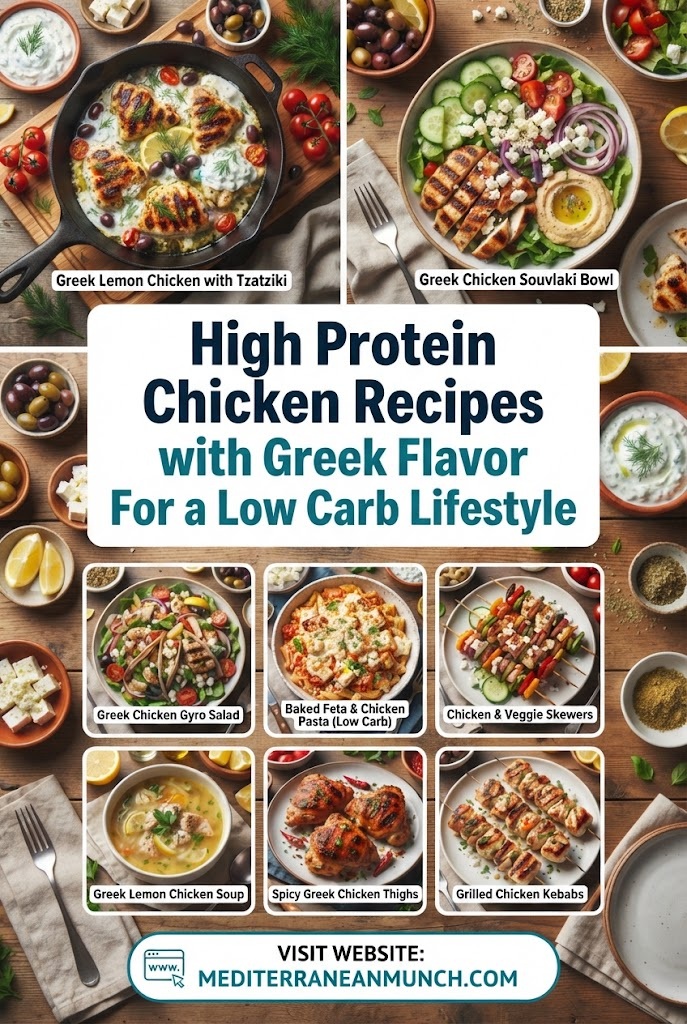
The intersection of flavor and fitness is often a difficult crossroads to navigate. Many health enthusiasts find themselves trapped between the bland world of steamed chicken and broccoli and the high-carb temptations of traditional comfort foods. However, there is a culinary sanctuary where bold acidity, aromatic herbs, and lean proteins converge: the Greek kitchen.
Greek cuisine is naturally predisposed to a low-carb, high-protein lifestyle. By focusing on high-quality poultry, heart-healthy fats like extra virgin olive oil, and an array of antioxidant-rich vegetables, you can transform your meal prep into a Mediterranean feast. In this comprehensive guide, we will explore the science of Greek flavoring, the nutritional benefits of a high-protein/low-carb approach, and provide a series of meticulously crafted recipes designed to fuel your body and delight your palate.
Why High-Protein, Low-Carb Greek Chicken?
Before we dive into the recipes, it is essential to understand why this specific combination is so effective for weight management, muscle growth, and overall longevity.
1. The Power of Protein Satiety
Protein is the most satiating macronutrient. Unlike simple carbohydrates, which cause blood sugar spikes followed by crashes that leave you hungry, protein stabilizes your energy. By centering your meals around chicken—a lean, complete protein source containing all nine essential amino acids—you ensure that your muscles have the building blocks they need to repair and grow.
2. The Mediterranean Longevity Secret
Greek cooking utilizes “The Holy Trinity” of Mediterranean health: Lemon, Garlic, and Oregano. These aren’t just flavor enhancers; they are nutritional powerhouses. Lemon provides Vitamin C and aids digestion; garlic contains allicin, known for its anti-inflammatory properties; and oregano is packed with antioxidants.
3. Sustainable Low-Carb Living
A “low-carb” lifestyle doesn’t have to mean “no-carb.” By removing processed grains and sugars and replacing them with the fibrous vegetables common in Greek salads (cucumbers, bell peppers, tomatoes), you maintain steady insulin levels while enjoying high-volume meals that keep you full.
The Essential Greek Marinade: The Foundation of Flavor
The secret to any world-class Greek chicken dish lies in the marinade. Because we are avoiding sugary sauces and heavy glazes, we rely on acid and oil to tenderize and flavor the meat.
The Golden Ratio:
- 3 Parts Oil: Extra virgin olive oil for moisture and healthy fats.
- 1 Part Acid: Fresh lemon juice or red wine vinegar to break down muscle fibers.
- Aromatics: Massive amounts of garlic and dried Greek oregano.
Recipe 1: Authentic Greek Chicken Souvlaki Skewers with Homemade Tzatziki
Souvlaki is the quintessential Greek fast food, but when made at home, it becomes a gourmet high-protein staple. These skewers are charred to perfection and served with a garlic-heavy cucumber yogurt sauce.
Ingredient Details in Form Shape
| Category | Ingredient | Specification | Purpose |
|---|---|---|---|
| Protein | Chicken Breast | 2 lbs, cut into 1-inch cubes | Lean protein base |
| Fat | Extra Virgin Olive Oil | 1/4 Cup | Moisture & flavor carrier |
| Acid | Fresh Lemon Juice | 2 Large Lemons | Tenderizing agent |
| Herbs | Dried Greek Oregano | 2 Tablespoons | Signature earthy flavor |
| Aromatics | Fresh Garlic | 6 Cloves, minced | Pungent depth |
| Seasoning | Sea Salt & Black Pepper | To taste | Flavor enhancement |
| Sauce Base | Greek Yogurt | 2 Cups, Full Fat/Plain | High-protein creamy base |
| Veggie | English Cucumber | 1 Large, grated/squeezed | Cooling element for Tzatziki |
| Herb | Fresh Dill | 3 Tablespoons, chopped | Brightness and aroma |
Recipe Detail: Step-by-Step
- Prepare the Marinade: In a large glass bowl, whisk together the olive oil, lemon juice, minced garlic, oregano, salt, and pepper.
- Marinate the Chicken: Add the cubed chicken breast to the bowl. Ensure every piece is thoroughly coated. Cover and refrigerate for at least 30 minutes, though 4 hours is ideal for maximum tenderness.
- Prepare the Tzatziki: While the chicken marinates, grate the cucumber. Use a cheesecloth or paper towel to squeeze out every drop of excess moisture. Mix the dry cucumber pulp with Greek yogurt, minced garlic, fresh dill, a splash of lemon, and a pinch of salt. Set aside in the fridge.
- Skewer the Meat: If using wooden skewers, soak them in water for 20 minutes first. Thread the marinated chicken tightly onto the skewers.
- The Grilling Process: Heat a grill or cast-iron griddle to medium-high heat. Lightly oil the grates. Place skewers down and cook for 3-4 minutes per side. You are looking for a deep golden char while maintaining a juicy interior (Internal temperature of 165°F/74°C).
- The Rest: Remove from heat and let the skewers rest for 5 minutes. This allows the juices to redistribute.
- Serving: Serve with a side of sliced cucumbers and a generous dollop of the Tzatziki sauce.
Recipe 2: One-Pan Mediterranean Lemon Garlic Chicken and Zucchini
For the busy professional or the home cook who hates dishes, this one-pan wonder delivers massive flavor with minimal cleanup. We swap out traditional potatoes for zucchini to keep the carb count extremely low.
Ingredient Details in Form Shape
| Component | Ingredient | Quantity | Preparation |
|---|---|---|---|
| Protein | Chicken Thighs (Bone-in, Skin-on) | 6-8 Thighs | Pat dry for crispy skin |
| Vegetable | Large Zucchini | 3 Medium | Sliced into thick half-moons |
| Vegetable | Red Onion | 1 Large | Wedged |
| Flavor Bomb | Kalamata Olives | 1/2 Cup | Pitted and halved |
| Fat | Avocado Oil or Olive Oil | 3 Tablespoons | For high-heat roasting |
| Spice | Smoked Paprika | 1 Teaspoon | For color and depth |
| Herb | Fresh Thyme | 4 Sprigs | For earthy notes |
| Finish | Feta Cheese | 1/2 Cup | Crumbled for saltiness |
Recipe Detail: Step-by-Step
- Preheat and Prep: Preheat your oven to 425°F (220°C). This high heat is crucial for rendering the fat in the chicken skin to make it crispy.
- Season the Protein: Rub the chicken thighs with olive oil, salt, pepper, and smoked paprika. Ensure you get the seasoning under the skin for maximum impact.
- Arrange the Pan: On a large rimmed baking sheet, toss the zucchini slices and red onion wedges with olive oil and a sprinkle of oregano. Push them to the edges to make room for the chicken.
- The Searing Phase (Optional but Recommended): For the best results, sear the chicken thighs skin-side down in a skillet for 4 minutes before placing them on the baking sheet. If skipping this, place them directly on the sheet.
- The Roast: Place the chicken in the center of the pan. Roast for 25-30 minutes.
- The Add-ins: Five minutes before the timer goes off, sprinkle the Kalamata olives over the vegetables.
- Garnish and Serve: Once the chicken reaches 165°F, remove from the oven. Immediately sprinkle with crumbled feta and fresh thyme. The residual heat will soften the feta into a creamy consistency.
Recipe 3: Creamy Greek Feta-Stuffed Chicken Breasts
If you find chicken breast to be too dry, stuffing it is the ultimate solution. This recipe creates a “pocket” of moisture using spinach and feta, ensuring every bite is succulent.
Ingredient Details in Form Shape
- Main Protein: 4 Large Chicken Breasts (approx. 8oz each)
- Filling Base: 1 Cup Fresh Spinach (sauteed and squeezed dry)
- Filling Cream: 4 oz Low-Fat Cream Cheese or Thick Greek Yogurt
- Filling Salt: 1/2 Cup Crumbled Feta Cheese
- Flavoring: 1 tsp Onion Powder + 1 tsp Garlic Powder
- Coating: 1/2 Cup Almond Flour (for a low-carb “breaded” texture)
- Cooking Fat: 2 tbsp Butter or Ghee
Recipe Detail: Step-by-Step
- The Butterfly Technique: Place your hand flat on top of the chicken breast. Using a sharp knife, slice horizontally into the thickest part of the breast to create a pocket, being careful not to cut all the way through.
- Mix the Stuffing: In a small bowl, combine the wilted spinach, feta, cream cheese, and garlic powder. Stir until it forms a thick paste.
- Stuffing the Bird: Spoon 2-3 tablespoons of the mixture into each chicken pocket. Secure the opening with 2-3 toothpicks to prevent the cheese from leaking out during cooking.
- The Low-Carb Crust: Season the almond flour with salt and pepper. Lightly press each side of the chicken breast into the flour to create a thin coating.
- Pan Searing: Heat butter in an oven-safe skillet over medium heat. Sear the chicken for 5 minutes on one side until golden brown.
- Finish in the Oven: Flip the chicken carefully. Transfer the whole skillet into a preheated oven at 375°F (190°C). Bake for 12-15 minutes.
- Resting Period: Remove from the oven and let rest for 5 minutes. Remove the toothpicks before serving. The result is a high-protein masterpiece with a decadent, creamy center.
Recipe 4: Mediterranean Chicken “Power Bowls” with Cauliflower Tabbouleh
Traditional Tabbouleh is made with bulgur wheat (high carb). In this version, we use riced cauliflower to mimic the texture while keeping the meal keto-friendly.
Ingredient Details in Form Shape
| Component | Item | Detail |
|---|---|---|
| Protein | Shredded Rotisserie or Roasted Chicken | 3 Cups |
| Grain Substitute | Cauliflower Rice | 1 Head, pulsed in processor |
| Greenery | Fresh Parsley | 2 Bunches, finely chopped |
| Crunch | Persian Cucumbers | 3, diced small |
| Acidity | Red Wine Vinegar | 2 Tablespoons |
| Topping | Pickled Red Onions | 1/4 Cup |
| Healthy Fat | Toasted Pine Nuts | 2 Tablespoons |
| Dressing | Tahini & Lemon Juice | 1/4 Cup Tahini + 1 Lemon |
Recipe Detail: Step-by-Step
- Prepare the “Grain”: Sauté the cauliflower rice in a dry pan over medium heat for 5-7 minutes. You want to cook off the moisture without making it mushy. Let it cool completely.
- Construct the Tabbouleh: In a large bowl, combine the cooled cauliflower, a massive amount of chopped parsley, diced cucumbers, and red wine vinegar. The parsley should almost outweigh the cauliflower—this is a herb-forward salad.
- Whisk the Dressing: Combine tahini, lemon juice, and a splash of warm water. Whisk until it turns from a paste into a smooth, pourable dressing.
- Assemble the Bowls: Divide the cauliflower tabbouleh into four bowls. Top each with a generous portion of shredded chicken.
- Final Touches: Add the pickled red onions and toasted pine nuts for texture. Drizzle the tahini dressing over the top. This meal is perfect for cold meal prep as it tastes better the next day.
Recipe 5: Slow-Cooker Greek Chicken Thighs with Artichokes and Peppers
This recipe is designed for maximum flavor extraction through long, slow cooking. The chicken becomes “fall-apart” tender, and the sauce is naturally thickened by the vegetables.
Ingredient Details in Form Shape
- Primary Meat: 2 lbs Boneless, Skinless Chicken Thighs
- The Brine: 1/2 Cup Chicken Bone Broth (for extra protein/collagen)
- Vegetables: 1 Jar (12oz) Marinated Artichoke Hearts (drained)
- Vegetables: 1 Jar (12oz) Roasted Red Peppers (sliced)
- Salty Element: 1/3 Cup Capers (rinsed)
- Spices: 1 tbsp Dried Oregano, 1 tsp Dried Rosemary, 1 tsp Red Pepper Flakes
- Finish: 1/4 Cup Fresh Basil Leaves
Recipe Detail: Step-by-Step
- Layering: Place the chicken thighs at the bottom of the slow cooker. Season them directly with the oregano, rosemary, and red pepper flakes.
- The Aromatics: Add the artichoke hearts, roasted red peppers, and capers on top of the chicken.
- The Liquid: Pour the bone broth around the sides. Do not submerge the chicken; you want it to braise, not boil.
- Cooking Time: Set the slow cooker to LOW for 6 hours or HIGH for 3 hours.
- The Shred: Once cooked, use two forks to gently break the chicken thighs into large chunks. They should fall apart with minimal effort.
- The Reduction: If there is too much liquid, transfer the liquid to a small saucepan and simmer for 10 minutes until it reduces by half, then pour it back over the chicken.
- Service: Serve in deep bowls, garnished with fresh basil. This pairs beautifully with a simple side of steamed asparagus.
Advanced Techniques: Mastering the Greek Grill
To truly elevate your high-protein chicken, you must master the art of the sear. Greek cooking often relies on the “Maillard Reaction”—the chemical reaction between amino acids and reducing sugars that gives browned food its distinctive flavor.
1. Temperature Management
Always bring your chicken to room temperature (take it out of the fridge for 20 minutes) before cooking. Cold meat hitting a hot pan causes the muscle fibers to tighten instantly, resulting in tough chicken.
2. The Power of “Dry Brining”
If you have time, salt your chicken 2 hours before cooking and leave it uncovered in the fridge. This “dry brine” draws moisture out of the skin (allowing it to get crispier) and then pulls the salt deep into the meat, seasoning it from the inside out.
3. Using Bone Broth for Deglazing
When pan-searing chicken, “fond” (the brown bits) will stick to the bottom of the pan. Instead of washing it away, deglaze the pan with a splash of chicken bone broth and lemon juice. This creates a high-protein, zero-carb pan sauce that captures all the flavor of the meat.
The Nutritional Breakdown: What to Expect
When following these recipes, your macronutrient profile will typically fall into these ranges per serving:
- Protein: 35g – 50g
- Net Carbs: 5g – 12g
- Healthy Fats: 15g – 25g
- Calories: 350 – 550 kcal
This ratio is ideal for those following a Keto, Paleo, or general Low-Carb lifestyle. By keeping the protein high, you preserve lean muscle mass even if you are in a caloric deficit.
Essential Kitchen Tools for the Greek Home Cook
To execute these recipes with precision, consider investing in these specific tools:
- Cast Iron Skillet: Essential for achieving that Mediterranean-style char on chicken thighs and breasts.
- Microplane Zester: For getting the zest of lemons and grating fresh garlic into a paste for marinades.
- Meat Thermometer: The only way to ensure chicken is cooked to exactly 165°F—no more, no less.
- Cheesecloth: Crucial for making authentic Tzatziki; you must remove the water from the cucumber to prevent a runny sauce.
- High-Quality Olive Oil Bottle: Look for “First Cold Pressed” and “Single Origin” (preferably Greek) for the best polyphenols and flavor.
Frequently Asked Questions
Can I use Chicken Breast instead of Thighs?
Yes, but be mindful of cooking times. Breasts are much leaner and can dry out quickly. If using breasts in the slow-cooker recipe, reduce the cooking time by 1-2 hours.
Is Feta Cheese okay on a Low-Carb diet?
Absolutely. Feta is a lower-calorie cheese compared to Cheddar or Swiss and provides a massive amount of flavor, meaning you can use less of it. It also contains conjugated linoleic acid (CLA), which some studies suggest may help with body composition.
How do I store leftovers?
Greek chicken is incredible for meal prep. Store in airtight containers for up to 4 days. To reheat, use a toaster oven or skillet rather than a microwave to maintain the texture of the meat and the crispiness of any vegetables.
What can I use instead of Tzatziki if I am dairy-free?
You can create a “Baba Ganoush” (roasted eggplant dip) or a garlic-tahini sauce. Both are high in healthy fats and fiber while remaining low in carbs.
Conclusion: Embracing the Mediterranean Mindset
Adopting a high-protein, low-carb lifestyle doesn’t require sacrifice; it requires strategy. By utilizing the time-tested flavors of Greece, you turn a dietary restriction into a culinary exploration. These recipes provide the framework, but the true secret lies in the quality of your ingredients. Choose the freshest lemons, the most fragrant oregano, and the highest quality chicken you can find.
When you eat this way, you aren’t just “dieting.” You are nourishing your body with the same fuel that has sustained some of the healthiest populations in human history. Whether you are prepping for a busy week of work or hosting a weekend dinner for friends, these Greek chicken recipes offer a path to health that is as delicious as it is effective.
Stay consistent, cook with passion, and enjoy the vibrant, life-giving flavors of the Mediterranean. Opa!
