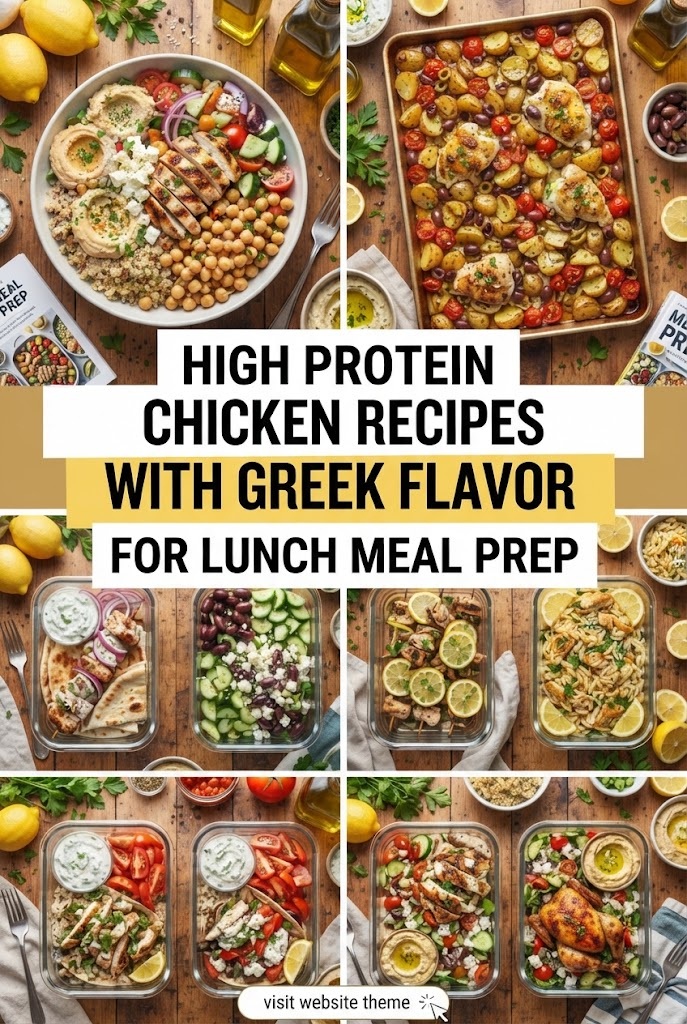
Meal prepping is often viewed as a chore—a repetitive cycle of bland chicken, steamed broccoli, and dry rice. However, it doesn’t have to be a culinary prison. By drawing inspiration from one of the world’s most celebrated and healthiest cuisines, we can transform the humble chicken breast into a Mediterranean masterpiece. Greek cuisine is the perfect candidate for meal prepping because its core flavors—lemon, garlic, oregano, and olive oil—actually intensify and meld over time, making your Thursday lunch just as exciting as your Monday kick-off.
This comprehensive guide focuses on high-protein, low-fat, and nutrient-dense recipes designed specifically for the busy individual. Whether you are a fitness enthusiast looking to hit specific macros or someone who simply wants a delicious, home-cooked lunch at the office, these Greek-inspired recipes will revolutionize your routine.
The Philosophy of the Greek Pantry
Before diving into the recipes, it is essential to understand the “building blocks” of Greek flavor. Greek cooking relies on high-quality, simple ingredients that work in harmony.
- The Acid: Lemon juice and red wine vinegar are non-negotiable. They tenderize the chicken and cut through the richness of the proteins.
- The Herb: Dried Greek oregano is more pungent than its Mexican or Italian counterparts. It provides that earthy, floral note synonymous with a Mediterranean taverna.
- The Fat: Extra virgin olive oil (EVOO) is the lifeblood of this cuisine. For meal prep, it acts as a preservative and a flavor carrier.
- The Protein: While we focus on chicken, the addition of Greek yogurt in marinades or sauces adds a massive protein boost while keeping the meat incredibly juicy.
Recipe 1: The Ultimate Greek Souvlaki Power Bowls
This is the “Gold Standard” of meal prep. It balances high protein with complex carbohydrates and fresh, fiber-rich vegetables.
Ingredient Details (Form Shape)
| Category | Ingredient | Specification | Purpose |
|---|---|---|---|
| Protein | Chicken Breast | 2 lbs, cubed (1-inch) | Lean protein source |
| Marinade | Greek Yogurt | 1/2 cup, plain non-fat | Tenderizer & protein boost |
| Marinade | Lemon Juice | 2 large lemons, juiced | Acidity and brightness |
| Marinade | Garlic | 6 cloves, minced | Aromatic base |
| Marinade | Dried Oregano | 2 tbsp | Signature Greek flavor |
| Marinade | Olive Oil | 3 tbsp, Extra Virgin | Moisture and healthy fats |
| Base | Quinoa or Farro | 2 cups, cooked | Complex carbs & fiber |
| Vegetables | English Cucumber | 1 large, diced | Hydration and crunch |
| Vegetables | Cherry Tomatoes | 1 pint, halved | Sweetness and lycopene |
| Vegetables | Red Onion | 1/2 small, pickled or raw | Sharpness and color |
| Topping | Feta Cheese | 1/2 cup, crumbled | Salty finish |
| Topping | Kalamata Olives | 1/4 cup, sliced | Healthy fats/Brine |
Recipe Detail Step-by-Step
Step 1: The “Yogurt-Tech” Marinade
In a large glass bowl, whisk together the Greek yogurt, lemon juice, minced garlic, oregano, olive oil, salt, and black pepper. The lactic acid in the yogurt breaks down the lean fibers of the chicken breast more gently than vinegar alone, ensuring that even when reheated, the chicken remains succulent.
Step 2: Marinating for Maximum Impact
Add the cubed chicken to the bowl. Toss thoroughly to ensure every piece is coated. Cover and refrigerate for at least 30 minutes, though 4 hours is ideal. If you are prepping on a Sunday, you can even do this on Saturday night.
Step 3: Searing to Perfection
Heat a large non-stick skillet or cast-iron grill pan over medium-high heat. Add the chicken in batches. Do not crowd the pan; you want a golden-brown sear, not steamed chicken. Cook for 6-8 minutes, turning occasionally until the internal temperature reaches 165°F (74°C). Set aside to rest.
Step 4: The Grain Base
While the chicken cooks, prepare your quinoa or farro according to package instructions. For extra flavor, cook the grains in chicken bone broth instead of water. This adds approximately 9-10 grams of protein per cup of liquid used.
Step 5: The “Horiatiki” Salad Component
Dice your cucumbers, tomatoes, and red onions. Mix them in a small bowl with a splash of red wine vinegar and a pinch of dried oregano. Keeping this salad separate until the day of consumption prevents the vegetables from becoming soggy.
Step 6: Assembly for Meal Prep
Distribute the grains evenly among four to five airtight containers. Top with the cooked chicken. In a separate small compartment (or a small dressing container), place the fresh vegetable mix. Garnish with feta and olives.
Recipe 2: Lemon-Herb Roasted Chicken & Sheet Pan Vegetables
For those who value efficiency, the sheet pan method allows you to cook your protein and sides simultaneously, ensuring consistent flavor profiles across the entire meal.
Ingredient Details (Form Shape)
| Category | Ingredient | Specification | Purpose |
|---|---|---|---|
| Protein | Chicken Thighs | 1.5 lbs, boneless/skinless | Juicier than breast for reheating |
| Veggie 1 | Zucchini | 2 medium, sliced half-moons | High volume, low calorie |
| Veggie 2 | Bell Peppers | 2 (Red & Yellow), sliced | Vitamin C and sweetness |
| Veggie 3 | Red Potatoes | 1 lb, baby potatoes, halved | Satiating starch |
| Seasoning | Dried Thyme | 1 tbsp | Woody, herbal note |
| Seasoning | Smoked Paprika | 1 tsp | For color and depth |
| Seasoning | Lemon Zest | From 1 lemon | Intense citrus oil |
| Liquid | Chicken Broth | 1/4 cup | Prevents drying in oven |
Recipe Detail Step-by-Step
Step 1: Oven Calibration
Preheat your oven to 400°F (200°C). High heat is necessary to roast the vegetables quickly so they don’t turn into mush while the chicken finishes.
Step 2: The Seasoning Rub
In a small bowl, combine olive oil, lemon zest, thyme, smoked paprika, salt, and plenty of cracked black pepper. This “dry-ish” rub creates a beautiful crust on the chicken and potatoes.
Step 3: Preparation of the Tray
On a large parchment-lined baking sheet, spread out the halved potatoes and sliced chicken thighs. Toss them with 2/3 of the seasoning rub. Ensure the potatoes are cut-side down to get that crispy, golden edge.
Step 4: First Roast
Roast the chicken and potatoes for 15 minutes. Potatoes take longer to cook than peppers and zucchini, so this head start is crucial for texture.
Step 5: Adding the “Soft” Veggies
Remove the tray from the oven. Add the zucchini and bell peppers. Drizzle with the remaining seasoning rub. Toss everything together, spreading it out into a single layer.
Step 6: The Final Roast
Return to the oven for another 15-20 minutes. The chicken should be charred at the edges, and the potatoes should be fork-tender.
Step 7: The “Rest & Portion”
Let the tray rest for 10 minutes. This allows the juices to redistribute back into the chicken meat. Divide into meal prep containers. This specific recipe reheats exceptionally well in a microwave because the chicken thighs have a slightly higher fat content, preventing them from drying out.
Recipe 3: High-Protein Greek Chicken Salad (Mayo-Free)
Classic chicken salad is often a calorie bomb due to mayonnaise. This version uses Greek yogurt and tahini to create a creamy, high-protein dressing that stays fresh for days.
Ingredient Details (Form Shape)
| Category | Ingredient | Specification | Purpose |
|---|---|---|---|
| Protein | Shredded Chicken | 3 cups, poached or rotisserie | Easy prep base |
| Cream | Greek Yogurt | 1 cup, plain 2% | High protein creamy base |
| Binder | Tahini | 1 tbsp | Nutty depth and creaminess |
| Crunch | Celery | 3 stalks, finely diced | Texture |
| Crunch | Walnuts | 1/4 cup, chopped | Omega-3s and crunch |
| Flavor | Fresh Dill | 3 tbsp, chopped | Traditional Greek aroma |
| Flavor | Capers | 1 tbsp, drained | Briny pops of flavor |
| Acid | Red Wine Vinegar | 1 tbsp | Tanginess |
Recipe Detail Step-by-Step
Step 1: The Protein Base
If you aren’t using a store-bought rotisserie chicken, poach two large chicken breasts in water with a bay leaf and peppercorns. Once cooled, shred the meat using two forks. Shredded chicken has more surface area to soak up the dressing than cubed chicken.
Step 2: The “Power Dressing”
In a medium bowl, whisk together the Greek yogurt, tahini, red wine vinegar, salt, and pepper. The tahini acts as an emulsifier, giving the dressing a professional, velvet-like texture without the need for eggs or heavy oils.
Step 3: Incorporating Aromatics
Fold in the fresh dill, diced celery, walnuts, and capers. The dill is the star here—do not use dried dill if possible; fresh dill provides a grassy, bright flavor that defines the dish.
Step 4: The Great Mix
Combine the shredded chicken with the dressing. Mix until every strand of chicken is coated. Taste and adjust for salt.
Step 5: Storage and Serving
This salad is best served cold. For meal prep, you can portion this into containers alongside whole-wheat pita bread or over a bed of spinach. To keep the spinach crisp, place the chicken salad in a small cupcake liner or a separate container on top of the greens.
The Science of Reheating: Maintaining Protein Quality
One of the biggest complaints about chicken meal prep is the “reheated chicken smell” or the rubbery texture. To avoid this, follow these expert tips:
- The Splash Method: Before microwaving, add a teaspoon of water or chicken broth over the chicken. Cover the container loosely with a lid or a damp paper towel. This creates steam, which rehydrates the proteins.
- The Power Setting: Don’t blast your chicken at 100% power. Reheat at 60-70% power for a slightly longer time. This prevents the edges from becoming leather while the center is still cold.
- The “Pink” Myth: Sometimes, chicken near the bone or chicken marinated in citrus can retain a slight pink hue even when cooked to 165°F. Always use a meat thermometer rather than visual cues to ensure safety without overcooking.
The Nutritional Powerhouse: Why Greek Flavor?
When we look at the macronutrient profile of these recipes, the benefits are clear. A standard portion of the Greek Souvlaki Bowl provides:
- Protein: 45g – 55g (depending on chicken volume and quinoa)
- Carbohydrates: 35g – 45g (mostly complex, slow-burning carbs)
- Fats: 12g – 15g (primarily monounsaturated fats from olive oil)
Beyond the “Big Three” macros, these meals are loaded with:
- Potassium: From the tomatoes and cucumbers, helping with muscle recovery.
- Probiotics: From the Greek yogurt marinades and dressings (though some are lost in cooking, the raw sauces remain potent).
- Antioxidants: Oregano is one of the highest-ranking herbs on the ORAC (Oxygen Radical Absorbance Capacity) scale.
Advanced Meal Prep: The “Greek Condiment” Station
To keep your lunch prep from becoming boring, create a “condiment station” in your fridge. These three additions can be made in 10 minutes and add variety to the recipes above.
1. Authentic Tzatziki
- Ingredients: 1 cup Greek yogurt, 1/2 grated cucumber (squeezed dry), 2 cloves garlic, 1 tbsp lemon juice, 1 tsp dill.
- Why: It adds moisture and an extra 10g of protein to any dry dish.
2. Pickled Red Onions
- Ingredients: 1 sliced red onion, 1/2 cup apple cider vinegar, 1 tbsp honey, pinch of salt.
- Why: The vinegar helps digestion, and the bright pink color makes your meal prep look “Instagram-worthy,” which psychologically increases satisfaction.
3. Whipped Feta (Tirokafteri-inspired)
- Ingredients: 4oz feta, 2 tbsp Greek yogurt, 1 tsp red pepper flakes.
- Why: This acts as a high-protein spread for pita or a dip for the roasted vegetables.
Grocery Shopping List for a Week of Greek Meal Prep
To make all three recipes (approximately 12-15 meals), here is your “Efficiency Checklist”:
Meat & Dairy:
- 5 lbs Boneless Skinless Chicken Breasts/Thighs
- 32 oz Tub Plain 0% or 2% Greek Yogurt
- 8 oz Block of Feta Cheese
Produce:
- 6 Large Lemons
- 2 Heads of Garlic
- 1 Bag of Baby Potatoes
- 3 English Cucumbers
- 2 Pints Cherry Tomatoes
- 1 Bunch Fresh Dill
- 1 Bunch Celery
- 2 Red Onions
- 3 Bell Peppers (Assorted colors)
- 2 Zucchini
Pantry:
- Extra Virgin Olive Oil
- Red Wine Vinegar
- Dried Oregano & Thyme
- Quinoa or Farro
- Tahini
- Capers
- Walnuts
- Salt & Black Pepper
Strategies for Success: The Sunday Routine
If you want to master high-protein Greek meal prep, you need a system. Here is how to execute these recipes in under 2 hours:
- 0:00 – 0:15: Marinate the Souvlaki chicken. Set it aside.
- 0:15 – 0:30: Chop all vegetables for the sheet pan and the fresh salads. Group them by “to be cooked” and “to be raw.”
- 0:30 – 0:45: Get the grains (quinoa/farro) on the stove. Start the sheet pan chicken and potatoes in the oven.
- 0:45 – 1:05: Cook the Souvlaki chicken in the skillet while the oven does its work.
- 1:05 – 1:20: Make the Greek Yogurt Chicken Salad dressing and shred your rotisserie/poached chicken.
- 1:20 – 1:45: Set out all containers. This is the “assembly line” phase. Distribute grains, then proteins, then cooked veggies.
- 1:45 – 2:00: Clean up. Since you used a sheet pan and one skillet, the mess is minimal.
Flavor Variations to Avoid “Palate Fatigue”
Even the best Greek chicken can get old if eaten every day for months. Use these “Flavor Tweaks” to keep it fresh:
- The Spicy Spartan: Add 1 tablespoon of harissa paste or crushed red pepper to your chicken marinade.
- The Aegean Garden: Increase the amount of fresh mint and parsley in your bowls for a cooler, more refreshing taste.
- The Creamy Cashew-Greek: If you are dairy-free, swap the yogurt for a cashew-based cream mixed with extra lemon juice to mimic the tang of Greek yogurt.
Conclusion: Consistency is the Key
The beauty of high-protein Greek chicken meal prep lies in its balance. It doesn’t ask you to sacrifice flavor for the sake of your “gains,” nor does it require you to spend hours in the kitchen every night. By mastering the lemon-garlic-oregano triad and utilizing the protein-packed power of Greek yogurt, you create a sustainable, delicious, and highly effective fueling strategy.
These recipes are more than just food; they are a commitment to your health and your time. When you open that container on Wednesday at 1:00 PM and smell the garlic, lemon, and roasted chicken, you won’t feel like you’re “on a diet.” You’ll feel like you’re enjoying a curated Mediterranean lunch, designed to help you perform at your absolute best.
Start with one recipe, master the marinade, and soon the “Greek Way” of meal prepping will become second nature. Your body, your schedule, and your taste buds will thank you.
