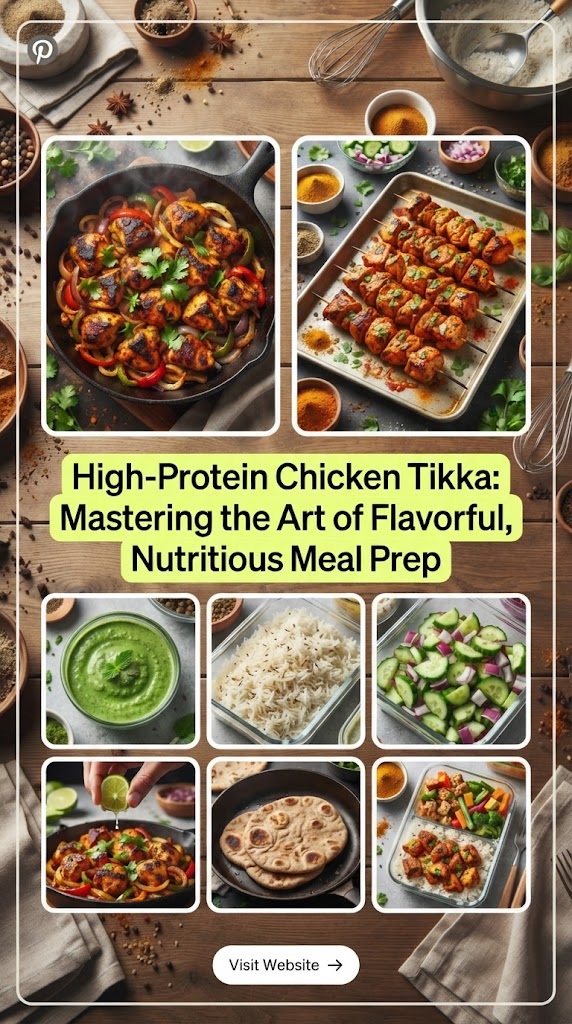
The modern fitness journey often feels like a constant battle between flavor and function. For decades, the stereotypical “gym diet” was a bland landscape of unseasoned boiled chicken, dry brown rice, and soggy broccoli. However, the culinary world and the fitness world have finally converged, proving that you don’t have to sacrifice your taste buds to hit your macros. Enter the Chicken Tikka Flavor Profile—a vibrant, aromatic, and deeply satisfying way to consume high-quality protein while maintaining a lean physique.
When we combine the smoky, spiced essence of Tikka with complex carbohydrates like basmati rice and a colorful array of fiber-rich vegetables, we create a “Power Bowl” that is nutritionally complete and incredibly delicious. This comprehensive guide will explore the science of marination, the nutritional benefits of the ingredients, and provide detailed, step-by-step recipes to transform your kitchen into a high-protein Indian grill.
Why Chicken Tikka is the Gold Standard for High-Protein Diets
Chicken Tikka isn’t just a popular dish at Indian restaurants; it is a nutritional powerhouse. The core of the dish lies in the marinade. Unlike calorie-dense cream-based sauces, traditional Tikka relies on acidic yogurt and a blend of spices.
- Protein Density: Chicken breast, the primary choice for Tikka, offers approximately 31 grams of protein per 100 grams.
- Thermogenic Spices: Spices like turmeric, ginger, and chili powder aren’t just for flavor; they have thermogenic properties that can slightly boost metabolism and reduce inflammation.
- Probiotic Tenderization: The lactic acid in yogurt breaks down the tough muscle fibers of the chicken without adding the fats found in oils or butter, resulting in a tender texture that is easy to digest.
- Satiety: The combination of protein, fiber from vegetables, and complex carbs from rice ensures you stay full for hours, preventing the dreaded mid-afternoon energy crash.
The Master Ingredient List: Component Breakdown
To achieve the perfect balance, we must categorize our ingredients. Below is a detailed look at what goes into a world-class High-Protein Tikka Bowl.
1. The Protein Base (Chicken)
| Ingredient | Purpose | Nutritional Highlight |
|---|---|---|
| Chicken Breast | Lean protein source | High B12, Low Fat |
| Greek Yogurt (Plain/0%) | Marinade base & tenderizer | Probiotics & Extra Protein |
| Lemon/Lime Juice | Acid to break down fibers | Vitamin C & Zest |
2. The Tikka Spice Matrix
| Spice | Flavor Profile | Health Benefit |
|---|---|---|
| Kashmiri Red Chili | Mild heat, deep red color | Metabolism boost |
| Turmeric (Haldi) | Earthy, bitter | Anti-inflammatory (Curcumin) |
| Garam Masala | Warm, aromatic | Digestive aid |
| Cumin (Jeera) | Nutty, smoky | Iron source |
| Coriander Powder | Citrusy, light | Antioxidants |
| Kasuri Methi (Dried Fenugreek) | Savory, maple-like aroma | Blood sugar regulation |
3. The Complex Carbohydrate (Rice)
| Rice Type | Texture | Best Use |
|---|---|---|
| Long-Grain Basmati | Fluffy, aromatic | Classic Tikka pairing |
| Brown Basmati | Chewy, nutty | High fiber, low GI |
| Saffron Rice | Luxurious, floral | Special occasion prep |
4. The Micronutrient Powerhouse (Vegetables)
| Vegetable | Preparation Style | Nutrients |
|---|---|---|
| Bell Peppers (Red/Green/Yellow) | Charred/Sautéed | Vitamin A & C |
| Red Onions | Grilled/Caramelized | Quercetin (Antioxidant) |
| Broccoli Florets | Steamed/Roasted | Sulforaphane (Cancer-fighting) |
| Baby Spinach | Wilted | Iron & Folate |
Recipe 1: The “Classic Fitness” Grilled Chicken Tikka Bowl
This is the flagship recipe, designed for those who want maximum flavor with controlled calories.
Ingredient Details in Form Shape
| Category | Item | Quantity (4 Servings) |
|---|---|---|
| Protein | Boneless Skinless Chicken Breast | 800g (Cut into 2-inch cubes) |
| Marinade | Fat-Free Greek Yogurt | 1 Cup |
| Marinade | Ginger-Garlic Paste | 2 Tablespoons |
| Spices | Kashmiri Red Chili Powder | 1.5 Tablespoons |
| Spices | Garam Masala | 1 Tablespoon |
| Spices | Turmeric Powder | 1 Teaspoon |
| Spices | Roasted Cumin Powder | 1 Teaspoon |
| Rice | Extra Long Grain Basmati Rice | 1.5 Cups (Uncooked) |
| Veg | Bell Peppers (Mixed) | 2 Large |
| Veg | Red Onion | 1 Large |
| Fats | Olive Oil or Avocado Oil | 1 Tablespoon |
Step-by-Step Recipe Detail
Step 1: The “First Marination” (The Secret Step)
Most people make the mistake of adding everything at once. To get deep flavor, toss your chicken cubes in 1 tablespoon of lemon juice and a pinch of salt. Let this sit for 15 minutes. This opens up the pores of the meat to receive the spices.
Step 2: The Core Marination
In a large mixing bowl, combine the Greek yogurt, ginger-garlic paste, and all the dry spices listed in the table. Whisk until smooth and bright red/orange. Add the chicken to this mixture. Ensure every piece is thoroughly coated. Pro Tip: For the best results, marinate for at least 4 hours, or ideally overnight in the refrigerator.
Step 3: Preparing the “Aromatic Rice”
- Wash the basmati rice 3–4 times until the water runs clear to remove excess starch.
- Soak the rice in cold water for 30 minutes.
- In a pot, add the rice, 2.5 cups of water, one star anise, and two green cardamom pods.
- Bring to a boil, then simmer on low heat for 12 minutes.
- Fluff with a fork and set aside.
Step 4: The Charred Vegetables
Cut the peppers and onions into large chunks. Toss them with a teaspoon of oil, salt, and black pepper. In a hot skillet or on a grill pan, sear them over high heat for 3–5 minutes. You want them “al dente”—crunchy on the inside but with dark char marks on the outside.
Step 5: Grilling the Chicken
Option A (Oven/Broiler): Pre-heat to 450°F (230°C). Place chicken on skewers or a wire rack over a baking tray. Bake for 15–18 minutes, turning once, until the edges are slightly charred. Option B (Air Fryer): Cook at 400°F (200°C) for 12–14 minutes, shaking the basket halfway through. Option C (Stovetop): Use a non-stick grill pan with a light spray of oil. Cook on high heat for 4 minutes per side.
Step 6: Assembly
Place a generous portion of rice in a bowl, top with 200g of Tikka chicken, a side of charred veggies, and a wedge of lime. Garnish with fresh cilantro.
Recipe 2: Creamy (But Healthy) Tikka Masala Stew with Wild Rice
A comfort-food version that swaps heavy cream for blended cashew milk or light coconut milk.
Ingredient Details in Form Shape
| Component | Item | Quantity |
|---|---|---|
| Main Protein | Chicken Breast or Thighs | 750g |
| Base | Tomato Puree (Unsweetened) | 400ml |
| Creaminess | Light Coconut Milk | 150ml |
| Carbs | Wild Rice / Brown Rice Blend | 1 Cup |
| Vegetables | Cauliflower Florets & Green Peas | 2 Cups |
| Aromatics | Finely Chopped Onion | 1 Medium |
| Herbs | Fresh Cilantro | Handful |
Step-by-Step Recipe Detail
Step 1: Sear the Protein
Season the chicken with a quick Tikka rub (Chili, Turmeric, Salt). In a large pot, sear the chicken until golden brown. Remove and set aside (it doesn’t need to be cooked through yet).
Step 2: Build the Gravy
In the same pot, add the chopped onions. Sauté until translucent. Add ginger-garlic paste and sauté for another minute. Pour in the tomato puree and cook for 10 minutes on medium heat until the raw smell of tomatoes disappears and the sauce thickens.
Step 3: Integrating the Veggies
Add the cauliflower florets and green peas into the tomato base. Add the light coconut milk and half a cup of water. Stir in the Garam Masala and a touch of honey or stevia to balance the acidity.
Step 4: The Simmer
Return the chicken to the pot. Cover and simmer on low heat for 15–20 minutes. This allows the chicken to absorb the sauce, making it incredibly juicy.
Step 5: Cooking the Wild Rice
Wild rice takes longer than white rice. Boil it in plenty of salted water for about 35–40 minutes until the grains burst open slightly. Drain and keep warm.
Step 6: Finishing Touches
Crush some Kasuri Methi (dried fenugreek leaves) between your palms and sprinkle over the stew. This provides that authentic “restaurant” aroma that is unmistakable. Serve the stew over the bed of wild rice.
The Science of Flavor: Why These Recipes Work
To understand why this combination is so effective for meal prepping, we have to look at the chemistry of the ingredients.
The Role of Capsaicin
The chili used in Tikka flavor profiles contains capsaicin. Beyond its heat, capsaicin has been shown to increase satiety. When you eat spicy high-protein meals, you are less likely to crave sugary snacks later in the day.
The “Aromatics” Factor
Indian cooking relies on “The Trinity”: Onion, Ginger, and Garlic.
- Garlic is rich in allicin, which supports heart health.
- Ginger is a powerful digestive aid, preventing the bloating sometimes associated with high-protein diets.
- Onions provide the base bulk of the sauce without adding significant calories.
Synergy of Rice and Chicken
While chicken provides the complete protein (all essential amino acids), rice provides the glucose necessary for muscle recovery. After a workout, your muscles are depleted of glycogen. The fast-to-medium digesting carbs in basmati rice paired with the protein in chicken create an anabolic environment, perfect for muscle growth and repair.
Advanced Meal Prep Strategies for the Busy Professional
If you are cooking 3500 words worth of food logic, you need to know how to store it!
- The “Dry vs. Wet” Separation: If you are meal prepping for 5 days, keep the chicken and vegetables in one compartment and the rice in another. This prevents the rice from becoming mushy by absorbing the moisture from the chicken.
- Vacuum Sealing: Tikka-marinated chicken freezes exceptionally well. You can marinate 2kg of chicken, portion it into freezer bags, and vacuum seal them. They will stay fresh for 3 months. When you’re ready to cook, thaw overnight and grill.
- The Veggie Refresh: To keep vegetables from getting soggy during reheating, slightly undercook them during your prep day. When you microwave your meal, the steam from the rice will finish cooking the vegetables to perfection.
Customizing Your Macros: Variations for Every Goal
The “Keto-Lite” Version (High Protein, Low Carb)
- Swap: Replace the Basmati rice with Cauliflower Rice.
- Method: Sauté grated cauliflower with cumin seeds and a pinch of turmeric for 3 minutes.
- Result: You save 40g of carbs per serving while keeping the Tikka experience intact.
The “Bulking” Version (High Protein, High Calorie)
- Swap: Use Chicken Thighs instead of breasts.
- Add: Include a side of Whole Wheat Naan and a dollop of full-fat Greek yogurt raita.
- Result: Increased healthy fats and higher caloric density to fuel intense training sessions.
The “Anti-Inflammatory” Version
- Increase: Double the amount of Turmeric and Ginger.
- Add: Black pepper (essential to activate the curcumin in turmeric).
- Result: A meal specifically designed to help recovery after heavy lifting.
Recipe 3: One-Pan Tikka Chicken & Root Vegetable Roast
Perfect for those who hate doing dishes. Everything goes on one tray.
Ingredient Details in Form Shape
| Item | Specification | Amount |
|---|---|---|
| Chicken | Thigh Fillets (trimmed) | 600g |
| Vegetable 1 | Sweet Potatoes (cubed) | 2 Large |
| Vegetable 2 | Red Onion (wedges) | 1 Large |
| Vegetable 3 | Zucchini (thick slices) | 1 Medium |
| Marinade | Tikka Paste + Olive Oil | 3 Tbsp + 1 Tbsp |
| Garnish | Lemon Wedges & Mint | As needed |
Step-by-Step Recipe Detail
Step 1: Prep the Oven
Preheat your oven to 425°F (220°C). High heat is necessary to mimic the “Tandoor” (clay oven) effect.
Step 2: The Seasoning Toss
In a large bowl, toss the cubed sweet potatoes with olive oil and a pinch of salt. Sweet potatoes take longer to cook than chicken, so they need a head start or to be cut quite small.
Step 3: Adding the Protein
Coat the chicken thighs in a concentrated Tikka paste (you can use a store-bought high-quality paste or a thick version of the marinade from Recipe 1).
Step 4: The Layout
On a large parchment-lined baking sheet, spread the sweet potatoes and onions. Place the chicken pieces in between the vegetables.
Step 5: The First Roast
Roast for 15 minutes.
Step 6: The Green Addition
Open the oven and add the zucchini slices. Zucchini has high water content and cooks fast; adding it late prevents it from turning into mush. Roast for another 10–12 minutes.
Step 7: The Broil
Turn the oven to “Broil” for the last 2 minutes. This creates the signature Tikka char on the chicken skin and the edges of the sweet potatoes.
The Essential Accompaniment: Mint and Cucumber Raita
A high-protein Tikka meal isn’t complete without a cooling element. Raita adds more protein (from yogurt) and aids digestion.
Ingredients
- 1 Cup Plain Greek Yogurt
- 1/2 Cucumber (Grated and squeezed of water)
- Handful of fresh mint (finely chopped)
- 1/2 tsp Roasted Cumin powder
- Pinch of Black Salt (Kala Namak) for an authentic sulfurous tang.
Steps
- Whisk the yogurt until smooth.
- Fold in the cucumber and mint.
- Add the spices and chill for 30 minutes before serving.
Deep Dive: The Micronutrient Profile of Tikka Spices
When we talk about “Tikka Flavor,” we aren’t just talking about a generic taste. We are talking about a complex chemical profile that benefits the body:
- Coriander Powder: It is packed with dietary fiber and manganese. In these recipes, it acts as the “bulk” of the dry rub, helping the marinade cling to the chicken.
- Kashmiri Chili: Unlike Cayenne, Kashmiri chili is mild. It allows you to use large quantities to get that iconic red color without making the food inedible. It’s high in Vitamin A, which is crucial for eye health and immune function.
- Cardamom: Often found in the rice, cardamom is a natural breath freshener and has diuretic properties, helping to reduce water retention—a common goal for those looking to stay “lean.”
Troubleshooting Common Tikka Mistakes
- Dry Chicken: This usually happens because of overcooking. Chicken breast should be cooked to an internal temperature of 165°F (74°C). Because Tikka is often cooked at high heat, the window between “perfect” and “dry” is small. Use a meat thermometer!
- Lack of “Tandoori” Flavor: Without a clay oven, you miss the smoke. The Solution: Use the “Dhuan” technique. Light a small piece of charcoal until red hot, place it in a small metal bowl, put that bowl inside your pot of cooked chicken, pour a drop of ghee/oil on the coal, and cover the lid for 2 minutes. The trapped smoke will infuse the meat with an authentic smoky flavor.
- Bland Rice: Many people forget to salt their rice water. Rice should be cooked in water that tastes “like the sea.” This ensures the flavor is built from the inside out.
Conclusion: Elevating Your Nutrition
Mastering High-Protein Chicken Tikka with Rice and Vegetables is about more than just following a recipe; it’s about adopting a culinary philosophy that treats health and flavor as equal partners. By using the structured ingredient forms provided and following the meticulous step-by-step guides, you can transform your meal prep from a chore into the highlight of your day.
Whether you are a bodybuilder looking for 50g of protein per meal, or someone simply looking to eat “cleaner” without losing the joy of food, the Tikka flavor profile offers endless versatility. The combination of lean poultry, aromatic spices, complex grains, and vibrant vegetables provides everything the body needs to thrive, recover, and perform.
Stop settling for boring food. Embrace the spice, master the marinade, and fuel your journey with the power of Tikka.
