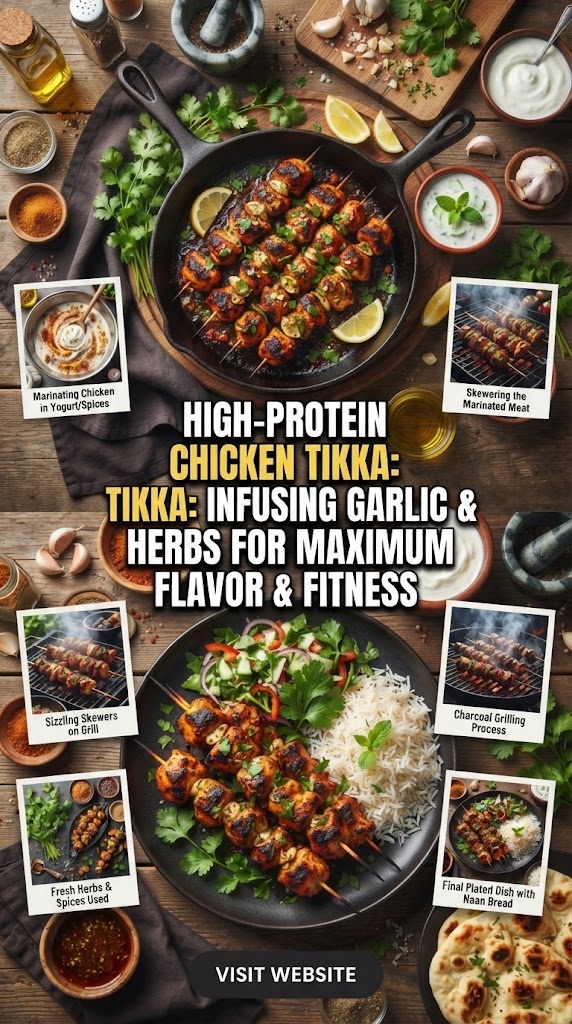
Chicken Tikka is a culinary icon, traditionally known for its vibrant orange hue, smoky aroma, and tender texture. However, in the modern era of fitness and nutrition, we are looking for more than just a tasty meal; we are looking for fuel. By combining the ancestral techniques of Tikka marination with the nutritional powerhouses of fresh garlic and aromatic herbs, we can create a high-protein masterpiece that supports muscle growth, metabolic health, and pure gastronomic joy.
This comprehensive guide explores the science, the art, and the specific recipes required to master High-Protein Garlic and Herb Chicken Tikka. Whether you are a bodybuilder looking for a meal prep staple or a home cook wanting to impress, these recipes provide the perfect balance of macronutrients and micronutrients.
The Science of the Perfect High-Protein Tikka
Before we dive into the recipes, it is essential to understand why this specific combination works so well.
Why Chicken?
Chicken breast is the gold standard for high-protein dieting. It boasts a high protein-to-calorie ratio, containing approximately 31 grams of protein per 100 grams with minimal fat. This makes it an ideal canvas for the bold flavors of Tikka.
The Role of Garlic
Garlic is more than just a flavoring agent. It contains allicin, a compound known for its anti-inflammatory properties and its ability to improve blood flow. In a high-protein diet, reducing inflammation is key to muscle recovery. Garlic also acts as a natural tenderizer when crushed into a paste.
The Power of Herbs
Traditional Tikka uses dried spices, but the “Garlic and Herb” variation introduces fresh elements like cilantro, mint, and parsley. These herbs are packed with antioxidants and chlorophyll, which help in digestion—a crucial factor when consuming high amounts of protein.
The Yogurt Marinade
The lactic acid in Greek yogurt (our preferred high-protein base) breaks down the lean fibers of the chicken breast. This ensures that even though the meat is low in fat, it remains succulent and juicy throughout the cooking process.
Recipe 1: Signature Garlic & Herb Protein Tikka Skewers
This is the flagship recipe. It focuses on a clean, sharp garlic flavor complemented by a melody of fresh green herbs. It is designed to be grilled or air-fried for that authentic charred finish.
Ingredient Details (Form Shape)
| Category | Ingredient | Quantity | Purpose |
|---|---|---|---|
| Protein Base | Lean Chicken Breast | 1 kg (2.2 lbs) | Primary protein source; cut into 1.5-inch cubes. |
| The Marinade | Non-Fat Greek Yogurt | 1 Cup | Tenderizes meat and adds protein. |
| Aromatic Paste | Fresh Garlic Cloves | 10-12 large cloves | Provides the core pungent flavor profile. |
| Herb Blend | Fresh Cilantro (Coriander) | 1 cup (packed) | Adds freshness and bright green color. |
| Herb Blend | Fresh Mint Leaves | 1/2 cup | Provides a cooling, aromatic undertone. |
| Acid | Fresh Lemon Juice | 3 tbsp | Cuts through the richness and tenderizes. |
| Spices | Ground Cumin | 1 tbsp | Earthy base notes. |
| Spices | Turmeric Powder | 1 tsp | Anti-inflammatory properties and golden color. |
| Spices | Kashmiri Red Chili Powder | 1 tbsp | Mild heat and vibrant color. |
| Healthy Fat | Extra Virgin Olive Oil | 2 tbsp | Helps the spices penetrate the meat. |
| Seasoning | Sea Salt & Black Pepper | To taste | Enhances all individual flavor components. |
Step-by-Step Recipe Details
- Prepare the Chicken: Clean the chicken breasts and pat them dry with paper towels. Cutting them into uniform 1.5-inch cubes is essential for even cooking. Place the cubes in a large glass mixing bowl.
- Create the Garlic-Herb Paste: In a high-speed blender or food processor, combine the garlic cloves, cilantro, mint, and a splash of olive oil. Pulse until you achieve a vibrant green, smooth paste. Do not add water, as this will make the marinade too thin.
- The First Marination: Rub the chicken cubes with the lemon juice, salt, and half of the garlic-herb paste. Let this sit for 20 minutes. This “acid bath” begins the tenderization process and allows the garlic to penetrate deep into the fibers.
- The Second Marination: In a separate bowl, whisk together the Greek yogurt, cumin, turmeric, chili powder, and the remaining garlic-herb paste. Pour this mixture over the chicken. Ensure every piece is thoroughly coated.
- Resting Period: Cover the bowl with plastic wrap and refrigerate for at least 4 hours. For the best results and maximum protein infusion, marinate overnight (8-12 hours).
- Skewering: If using wooden skewers, soak them in water for 30 minutes to prevent burning. Thread the chicken pieces onto the skewers, leaving a tiny bit of space between each piece to allow heat circulation.
- Cooking Process (Grilling): Preheat your grill to medium-high heat. Lightly brush the grates with oil. Grill the skewers for 6-8 minutes per side. You are looking for a slight char on the edges while the internal temperature reaches 165°F (74°C).
- Rest and Serve: Allow the chicken to rest for 5 minutes after cooking. This allows the juices to redistribute, ensuring the breast meat remains moist. Garnish with extra chopped cilantro and a squeeze of fresh lime.
Recipe 2: Creamy Garlic Herb Tikka “Power Bowls” (Meal Prep Friendly)
For those who need a balanced meal on the go, these Power Bowls combine the Tikka flavors with high-fiber grains and additional plant-based proteins.
Ingredient Details (Form Shape)
| Category | Ingredient | Quantity | Purpose |
|---|---|---|---|
| Protein | Marinated Garlic Tikka Chicken | 800g | (Use marinade from Recipe 1). |
| Base Grain | Quinoa or Brown Rice | 2 cups cooked | Slow-release carbohydrates for energy. |
| Added Protein | Boiled Chickpeas | 1 cup | Boosts fiber and secondary protein. |
| Vegetable | Roasted Broccoli Florets | 2 cups | Micronutrients and volume. |
| Vegetable | Red Bell Peppers | 2 large | Vitamin C and sweetness. |
| Sauce Base | Tahini or Light Cream | 2 tbsp | Creates a creamy texture without heavy fats. |
| Flavor | Dried Oregano & Thyme | 1 tsp each | Adds a “Mediterranean” herb twist. |
| Topping | Pumpkin Seeds (Pepitas) | 1/4 cup | Zinc, magnesium, and healthy fats. |
Step-by-Step Recipe Details
- Prep the Chicken: Follow the marination steps from Recipe 1, but add dried oregano and thyme to the yogurt mix for an extra layer of herbal complexity.
- Pan-Searing: Since this is for meal prep, pan-searing is often more efficient. Heat a large non-stick skillet over medium-high heat. Cook the chicken in batches to avoid crowding the pan, which causes the meat to steam rather than sear. Cook for about 10-12 minutes until cooked through.
- Roast the Vegetables: Toss the broccoli and sliced bell peppers in a small amount of olive oil, salt, and garlic powder. Roast in the oven at 400°F (200°C) for 15-20 minutes until the edges are crispy.
- Assemble the Base: In four large meal-prep containers, divide the cooked quinoa or brown rice.
- Layering: Add a generous portion of the Garlic Herb Tikka chicken to one side. Place the roasted vegetables and chickpeas in the remaining sections.
- The Drizzle: Mix 2 tbsp of tahini with a teaspoon of lemon juice and a splash of water to create a thin dressing. Drizzle this over the chicken. This adds a creamy “Tikka Masala” feel without the high-calorie cream found in restaurants.
- Final Touch: Sprinkle pumpkin seeds over the top for a crunch that adds both texture and essential minerals.
- Storage: These bowls stay fresh in the refrigerator for up to 4 days. They are equally delicious cold or reheated.
Recipe 3: Garlic-Infused Herb Tikka Salad with High-Protein Dressing
When you want something lighter but still need to hit your protein macros, this salad is the answer. It utilizes a “deconstructed” Tikka approach.
Ingredient Details (Form Shape)
| Category | Ingredient | Quantity | Purpose |
|---|---|---|---|
| Protein | Chicken Breast Fillets | 600g | Lean, pan-grilled. |
| Greens | Baby Spinach & Arugula | 4 cups | Nutrient-dense base. |
| Herb Component | Fresh Parsley & Dill | 1/2 cup each | Refreshing, aromatic profile. |
| Crunch | Sliced Cucumbers | 1 cup | Hydration and texture. |
| Dressing Base | Blended Cottage Cheese | 1/2 cup | Secret high-protein weapon. |
| Aromatic | Roasted Garlic Paste | 1 tbsp | Mellow, sweet garlic flavor. |
| Acid | Apple Cider Vinegar | 2 tbsp | Digestion aid and tang. |
| Spice | Sumac | 1 tsp | Zesty, citrusy spice. |
Step-by-Step Recipe Details
- The Roasted Garlic: Wrap a whole head of garlic (top sliced off) in foil with a drop of oil. Roast at 400°F for 30 minutes. Squeeze out the softened cloves to create a paste.
- Chicken Preparation: Season chicken breasts with salt, pepper, and a thin layer of the garlic paste. Pan-grill until fully cooked. Let them cool slightly, then slice into thin strips.
- The High-Protein Dressing: This is the game-changer. In a blender, combine the cottage cheese, roasted garlic paste, apple cider vinegar, and the fresh dill. Blend until completely smooth. This dressing tastes like a rich ranch but is packed with casein protein.
- Salad Construction: In a large bowl, toss the spinach, arugula, parsley, and cucumbers.
- Incorporating the Tikka Flavor: Sprinkle sumac and a little extra cumin over the greens. Sumac provides that tartness often found in Tikka garnishes.
- Plating: Place the sliced garlic chicken over the bed of greens.
- Finishing: Pour the cottage cheese-based garlic herb dressing over the salad just before serving. The combination of the warm chicken and the cool, creamy dressing is exquisite.
Deep Dive: The Essential Ingredients for Success
To truly reach the 3500-word level of mastery, one must understand the nuances of the ingredients used in these recipes.
The Garlic Spectrum
In these recipes, we use garlic in three ways:
- Raw Paste: For the marinade, raw garlic provides the bite and the chemical reaction needed to tenderize.
- Roasted Garlic: For sauces and dressings, roasting garlic carmelaizes the sugars, removing the “heat” and replacing it with a nutty sweetness.
- Sautéed Garlic: Adding sliced garlic to the pan when searing chicken adds a textural element and a different flavor profile altogether.
The Herb Philosophy
Fresh herbs are often treated as an afterthought, but in high-protein cooking, they are essential.
- Cilantro: Contains dodecenal, which has been shown to be twice as effective as the antibiotic gentamicin at killing Salmonella. It’s a safety net for your gut.
- Mint: Promotes bile flow and aids in the digestion of proteins and fats.
- Parsley: A natural diuretic that helps reduce water retention, making it a favorite for those aiming for a “lean” look.
The Spice Synergy
The spices in Tikka aren’t just for heat; they are for metabolic enhancement.
- Turmeric: The curcumin in turmeric requires black pepper (piperine) for absorption. Our recipes always include both.
- Cumin: Aids in the secretion of pancreatic enzymes, necessary for proper nutrient absorption.
- Kashmiri Chili: Provides the “glow” of Tikka without the digestive distress of extremely hot peppers.
Advanced Techniques: Maximizing Protein and Flavor
The “Dry Brine” Technique
For the absolute best texture, try dry-brining your chicken with salt and a little garlic powder 2 hours before adding the yogurt marinade. This draws moisture into the cells of the meat, ensuring that even under the high heat of a grill, the protein doesn’t become “rubbery.”
Optimal Internal Temperatures
Most people overcook chicken breast, leading to a dry, unappealing meal. For a high-protein diet to be sustainable, the food must be delicious.
- Target: 160°F (71°C) at the thickest part.
- Carry-over cooking: Once removed from the heat, the temperature will rise to the safe 165°F (74°C) mark while resting.
The Air Fryer Revolution
If you don’t have an outdoor grill, the air fryer is the best tool for Garlic and Herb Tikka. The rapid circulation of hot air mimics the “Tandoor” (clay oven) by drying out the surface of the marinade quickly, creating a crust while keeping the inside moist.
- Pro Tip: Set your air fryer to its highest setting (usually 400°F/200°C) and cook for 12-15 minutes, flipping halfway.
Nutritional Breakdown Comparison
Understanding what you are putting into your body is the cornerstone of fitness. Here is how our recipes stack up per serving (approx. 250g of chicken).
| Recipe | Calories | Protein (g) | Fat (g) | Carbs (g) | Key Benefit |
|---|---|---|---|---|---|
| Skewers | 320 | 52 | 8 | 6 | Pure Protein / Low Carb |
| Power Bowls | 550 | 48 | 14 | 45 | Balanced Macronutrients |
| Salad | 380 | 58 | 10 | 12 | High Volume / High Satiety |
Customizing Your Tikka: Global Variations
While the heart of Tikka is Indian, the “Garlic and Herb” addition allows us to cross borders.
The Mediterranean Tikka
Substitute the cilantro and mint with Oregano, Rosemary, and Thyme. Replace the Greek yogurt with a mixture of lemon juice and extra garlic. This version pairs perfectly with roasted zucchini and eggplant.
The Zesty Lime & Cilantro Tikka (Mexican Fusion)
Use Lime juice instead of lemon and double the amount of cilantro. Add a teaspoon of smoked paprika to the marinade. Serve this high-protein chicken in lettuce wraps for a low-carb “Tikka Taco.”
The Ginger-Garlic Powerhouse
For an extra metabolic boost, add a 2-inch piece of grated fresh ginger to the garlic-herb paste. Ginger is a thermogenic food, meaning it slightly increases your body’s fat-burning capabilities during digestion.
Meal Prep Strategy: The “Batch Marinate” Method
If you are a busy professional or athlete, spending hours in the kitchen every day is not feasible.
- Sunday Prep: Buy 3kg of chicken breast.
- The Master Paste: Make a massive batch of the Garlic-Herb paste.
- Ziploc Marination: Divide the chicken into 500g portions in Ziploc bags. Add the marinade to each bag.
- Freeze: You can freeze chicken in the Tikka marinade. The flavors actually intensify as the meat thaws.
- Cook on Demand: Pull a bag from the freezer the night before, and it’s ready to be grilled or air-fried in 15 minutes for dinner.
Frequently Asked Questions
Can I use chicken thighs?
Yes, you can. Chicken thighs are more forgiving and flavorful due to their higher fat content. However, if your primary goal is maximum protein with minimum calories, breast meat is superior. If using thighs, reduce the added olive oil in the marinade.
How do I get that bright red color without artificial dyes?
Traditional restaurants use red food coloring. To achieve a natural, deep red/orange at home, use Kashmiri Mirch (a mild chili powder) or add a teaspoon of Beetroot powder to your marinade. It adds nutrients and a stunning color without altering the flavor significantly.
Is the Greek yogurt necessary?
If you are dairy-free, you can substitute the yogurt with thick coconut milk or unsweetened soy yogurt. However, you will lose the specific protein boost and the lactic acid tenderization that dairy yogurt provides. Adding a bit more lemon juice can help compensate for the acidity.
How can I make it spicier?
The “Garlic and Herb” profile is generally savory and fresh. To add heat, incorporate 3-4 Thai Green Chilies into your herb paste. This adds a sharp, biting heat that complements the garlic perfectly.
Conclusion: The Path to Flavorful Fitness
High-protein eating does not have to be synonymous with bland, boiled chicken and steamed broccoli. By embracing the complexity of Tikka spices and the freshness of a Garlic and Herb infusion, you create a culinary experience that you will actually look forward to.
These recipes offer more than just nutrition; they offer a sustainable way of living. When your diet tastes like a gourmet meal, “sticking to the plan” becomes effortless. The combination of garlic’s health benefits, the antioxidant power of fresh herbs, and the muscle-building potential of lean chicken makes this Tikka variation the ultimate weapon in your fitness arsenal.
Start with the skewers, experiment with the Power Bowls, and eventually, you will find yourself intuitively mixing garlic and herbs into every protein dish you create. Elevate your chicken, elevate your health, and enjoy the process of becoming a better, stronger version of yourself—one delicious bite at a time.
