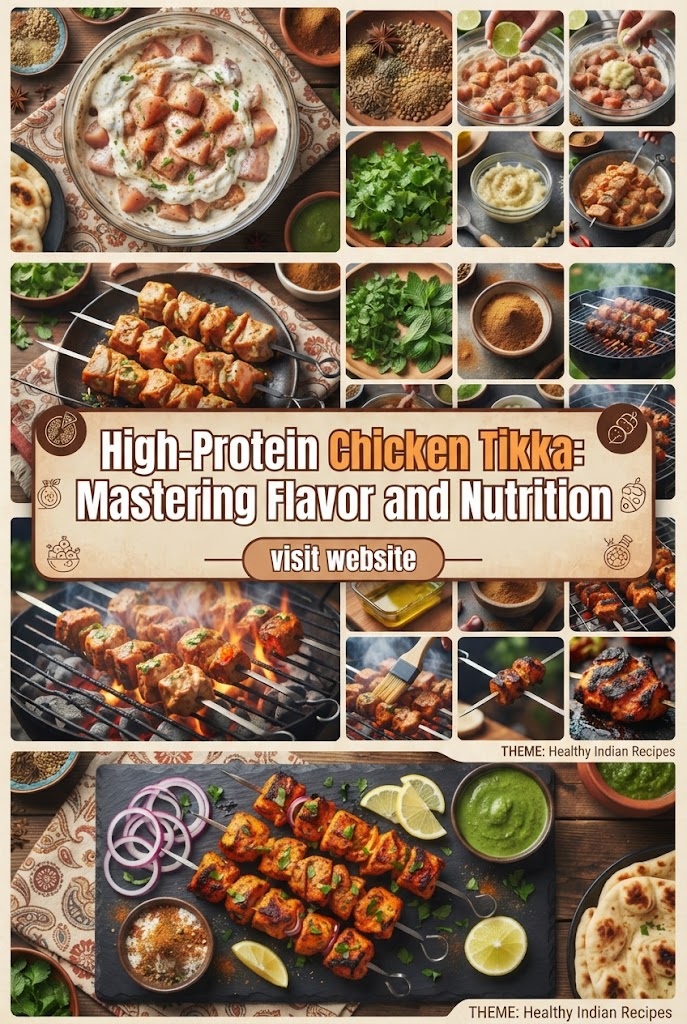
The sizzle of a hot pan, the intoxicating aroma of toasted cumin and smoked paprika, and the vibrant orange hue that promises a burst of flavor—Chicken Tikka is more than just a dish; it is a culinary experience. Traditionally associated with heavy cream and buttery sauces in restaurants, the core of Tikka is actually incredibly healthy. When stripped down to its essentials, it is a high-protein powerhouse that fits perfectly into a fitness-focused lifestyle.
In this comprehensive guide, we are exploring how to bring the soul of the tandoor into your home kitchen using simple, everyday ingredients. We will dive into five distinct high-protein recipes that utilize the Tikka flavor profile, ranging from classic skewers to modern meal-prep bowls. Whether you are a bodybuilder looking for a tasty way to hit your macros or a home cook wanting to impress your family with a vibrant dinner, these recipes are designed for you.
The Science of the Tikka Marinade: Why It Works
Before we jump into the recipes, it is essential to understand why the Tikka marinade is so effective for high-protein cooking. The foundation of a Tikka marinade usually involves two main components: an acid (usually yogurt and lemon juice) and a blend of warm spices.
- Enzymatic Tenderization: Yogurt contains lactic acid and calcium. Unlike harsh vinegar-based marinades that can turn meat rubbery if left too long, yogurt works gently. It breaks down the muscle fibers of the chicken breast—which is notoriously lean and prone to drying out—ensuring every bite is succulent and tender.
- Flavor Suspension: Spices like turmeric, garam masala, and cumin are fat-soluble. By mixing them into yogurt (which contains a small amount of healthy fats), you create a medium that allows the spices to penetrate deep into the meat rather than just sitting on the surface.
- The “Char” Factor: High-protein cooking often suffers from a lack of texture. The natural sugars and proteins in yogurt caramelize quickly under high heat (the Maillard reaction), giving you those beautiful blackened edges that mimic a traditional clay oven.
Recipe 1: The Classic High-Protein Grilled Chicken Tikka
This is the baseline recipe. It focuses on maximum protein with minimum added fats. We use Greek yogurt instead of traditional plain yogurt to boost the protein content even further.
Ingredient Details (Form Shape)
| Ingredient | Quantity | Purpose | Protein Content (Approx) |
|---|---|---|---|
| Chicken Breast (Boneless/Skinless) | 1 kg (2.2 lbs) | Main Protein Source | 230g |
| Non-Fat Greek Yogurt | 1 Cup | Tenderizer & Base | 24g |
| Ginger-Garlic Paste | 2 Tbsp | Aromatics & Digestion | 0g |
| Lemon Juice | 2 Tbsp | Acidity & Brightness | 0g |
| Kashmiri Red Chili Powder | 1.5 Tbsp | Color & Mild Heat | 0g |
| Turmeric Powder | 1 Tsp | Color & Anti-inflammatory | 0g |
| Garam Masala | 1 Tbsp | Warmth & Depth | 0g |
| Cumin Powder | 1 Tsp | Earthy Notes | 0g |
| Salt | To Taste | Flavor Enhancement | 0g |
| Olive Oil Spray | 2-3 Sprays | Preventing Stick | 0g |
Step-by-Step Recipe Detail
- Preparation of the Chicken: Start by patting the chicken breasts dry with a paper towel. Moisture is the enemy of a good sear. Cut the chicken into uniform 1.5-inch cubes. Keeping them uniform ensures they all cook at the same rate.
- The First Marination: In a large glass bowl, toss the chicken cubes with lemon juice, salt, and 1 tablespoon of the ginger-garlic paste. Let this sit for 15 minutes. This “first marinade” helps the seasoning penetrate the core of the meat.
- The Second Marination: In a separate bowl, whisk the Greek yogurt until smooth. Add the remaining ginger-garlic paste, Kashmiri chili powder, turmeric, garam masala, and cumin. Whisk until the color is a vibrant, uniform orange.
- Combining: Pour the yogurt mixture over the chicken. Use your hands (wear gloves if you want to avoid yellow turmeric stains) to massage the marinade into every crevice of the meat.
- Resting Time: Cover the bowl with plastic wrap and refrigerate for at least 2 hours. For the absolute best results, overnight is preferred.
- Preheating: If using an outdoor grill, bring it to medium-high heat. If using an indoor grill pan or oven, preheat to 220°C (425°F).
- Skewering: Thread the chicken pieces onto metal or soaked wooden skewers. Do not crowd them too tightly; leave a tiny bit of space so the air can circulate and char the edges.
- Cooking: Place the skewers on the grill. Cook for 6-8 minutes on one side, then flip. The chicken is done when the internal temperature reaches 74°C (165°F).
- The Finish: Once removed from the heat, let the chicken rest for 5 minutes. This allows the juices to redistribute, ensuring the protein remains moist.
Recipe 2: Tikka-Spiced Meal Prep Bowls with Roasted Cauliflower
For those who need to stay on track during a busy work week, these meal prep bowls combine the Tikka flavor with complex carbohydrates and high fiber.
Ingredient Details (Form Shape)
| Ingredient | Quantity | Purpose | Macro Benefit |
|---|---|---|---|
| Marinated Chicken Tikka (from Recipe 1) | 500g | Protein | High Protein |
| Brown Rice or Quinoa | 2 Cups (Cooked) | Complex Carbs | Sustained Energy |
| Cauliflower Florets | 1 Large Head | Volume & Fiber | Low Calorie Filler |
| Red Onions (Sliced) | 1 Large | Sweetness & Texture | Antioxidants |
| Fresh Cilantro | ½ Bunch | Garnish | Micronutrients |
| Cucumber Mint Raita | 1 Cup | Probiotic Dressing | Digestive Health |
Step-by-Step Recipe Detail
- Grains Preparation: Cook your brown rice or quinoa according to package instructions. Instead of plain water, use chicken bone broth to add an extra 5-10g of protein to the entire batch.
- Veggie Prep: Toss cauliflower florets and sliced red onions with a pinch of turmeric and salt. Spread them on a baking sheet.
- The Sheet Pan Method: To save time, you can cook the marinated chicken and the vegetables on the same large baking sheet. Place the chicken on one side and the veggies on the other.
- Roasting: Bake at 200°C (400°F) for 20-25 minutes. At the halfway mark, toss the cauliflower to ensure even browning.
- Assembly: Divide the cooked grains into 4-5 airtight containers.
- Portioning: Add a generous portion of the Tikka chicken and the roasted vegetables to each bowl.
- The Cooling Phase: Let the food cool to room temperature before sealing the lids. This prevents the vegetables from becoming soggy due to trapped steam.
- Serving: Store in the fridge for up to 4 days. When ready to eat, reheat and drizzle with a cold “Raita” made of Greek yogurt, grated cucumber, and dried mint.
Recipe 3: Creamy (High-Protein) Tikka Masala Skillet
Traditional Tikka Masala uses heavy cream and butter, which skyrockets the calorie count. This version uses a secret ingredient—blended cottage cheese—to achieve that iconic creamy texture while adding a massive protein boost.
Ingredient Details (Form Shape)
| Ingredient | Quantity | Purpose | Protein Content (Approx) |
|---|---|---|---|
| Pre-Cooked Chicken Tikka | 600g | Protein Base | 140g |
| Tomato Puree (Sugar-Free) | 400ml | Sauce Base | 4g |
| Low-Fat Cottage Cheese | 1 Cup (Blended) | The “Cream” Replacement | 28g |
| Fresh Ginger (Minced) | 1 Tbsp | Zest | 0g |
| Dried Fenugreek Leaves (Kasuri Methi) | 1 Tsp | The “Secret” Flavor | 0g |
| Paprika | 1 Tbsp | Color | 0g |
| Water or Broth | ½ Cup | Consistency Adjustment | 2g |
Step-by-Step Recipe Detail
- The Creamy Base: Place the cottage cheese in a high-speed blender and process until it is completely smooth. It should look exactly like heavy cream. Set aside.
- Developing the Sauce: In a large non-stick skillet, heat a teaspoon of oil or a splash of water. Add the minced ginger and sauté for 30 seconds until fragrant.
- Simmering Tomatoes: Pour in the tomato puree. Add paprika and a pinch of salt. Let this simmer on medium heat for 10 minutes until the sauce darkens and thickens.
- Integrating the “Cream”: Lower the heat to the absolute minimum. Slowly stir in the blended cottage cheese. Constant stirring prevents the cheese from curdling.
- The Fusion: Add the pre-cooked Chicken Tikka pieces into the sauce. If the sauce is too thick, add a splash of chicken broth until you reach your desired consistency.
- The Magic Touch: Crush the dried fenugreek leaves (Kasuri Methi) between your palms and sprinkle them over the skillet. This provides that distinct restaurant-style aroma that defines Tikka Masala.
- Final Simmer: Let everything simmer together for 3-5 minutes so the chicken absorbs the sauce flavors.
- Serving Recommendation: Serve this over a bed of steamed spinach or cauliflower rice for a keto-friendly, high-protein meal.
Recipe 4: Air-Fryer Tikka “Popcorn” Chicken
This recipe is perfect for those who want a high-protein snack or a quick dinner that kids will actually enjoy. By using the air fryer, we get a crispy exterior without the need for deep frying.
Ingredient Details (Form Shape)
| Ingredient | Quantity | Purpose | Nutritive Value |
|---|---|---|---|
| Chicken Breast (Small Cubes) | 500g | Lean Protein | High |
| Chickpea Flour (Besan) | 3 Tbsp | Binding & Protein | Moderate |
| Tikka Spice Blend | 2 Tbsp | Flavoring | Low Calorie |
| Egg White | 1 Large | Glazing/Crisping | High Protein |
| Lemon Zest | 1 Tsp | Freshness | Vitamin C |
| Cooking Spray | Minimal | Texture | Low Fat |
Step-by-Step Recipe Detail
- The Cut: Dice your chicken into very small, half-inch pieces. This increases the surface area for the spices to cling to.
- The Coating: In a bowl, mix the chickpea flour with the Tikka spice blend (cumin, turmeric, chili, garam masala). Chickpea flour is a great gluten-free, high-protein alternative to breadcrumbs.
- The Binder: Whisk the egg white until frothy. Toss the chicken pieces in the egg white first, then dredge them through the flour/spice mixture.
- Air Fryer Setup: Lightly spray the air fryer basket with oil. Arrange the chicken pieces in a single layer. Do not overlap, or they will steam instead of crisping.
- Cooking: Air fry at 200°C (400°F) for 10-12 minutes. Shake the basket halfway through to ensure even browning.
- The Crunch Check: The chicken should be golden brown and firm to the touch.
- Dipping Sauce: Mix 2 tablespoons of Greek yogurt with a teaspoon of hot sauce for a high-protein dipping companion.
Recipe 5: Zesty Tikka Chicken Salad with Mint-Yogurt Dressing
When you want something light but still need to hit a 40g+ protein target for lunch, this salad is the answer. It’s crunchy, spicy, and incredibly refreshing.
Ingredient Details (Form Shape)
| Ingredient | Quantity | Role | Notes |
|---|---|---|---|
| Cold Sliced Chicken Tikka | 200g | Primary Protein | Leftovers work great |
| Mixed Greens (Spinach/Arugula) | 3 Cups | Base | High Fiber |
| Cherry Tomatoes | ½ Cup | Juicy Texture | Antioxidants |
| Sliced Bell Peppers | ½ Cup | Crunch | Vitamin C |
| Chickpeas (Roasted) | ¼ Cup | Extra Protein/Carb | Texture |
| Dressing: Greek Yogurt | 3 Tbsp | Dressing Base | High Protein |
| Dressing: Fresh Mint/Cilantro | 1 Handful | Flavor | Freshness |
Step-by-Step Recipe Detail
- Base Layer: Fill a large bowl with your mixed greens. Arugula adds a peppery bite that complements the Tikka spices perfectly.
- The Vegetable Mix: Add halved cherry tomatoes and thinly sliced bell peppers.
- Protein Addition: Slice your pre-cooked (cold or warm) Chicken Tikka into strips and lay them over the vegetables.
- Making the Dressing: In a small blender or food processor, combine the Greek yogurt, fresh mint, cilantro, a squeeze of lemon, and a pinch of salt. Blitz until it’s a smooth, pale green sauce.
- The Crunch Factor: Add roasted chickpeas on top. These act as “protein croutons.”
- Tossing: Pour the dressing over the salad just before eating to ensure the greens stay crisp.
- Customization: Feel free to add a few slices of avocado for healthy fats if your macros allow.
The Master List of “Simple Ingredients” for Tikka Flavor
To master these recipes, you don’t need a pantry full of exotic items. Most Tikka recipes rely on a core group of ingredients that can be found in any standard supermarket.
- The Aromatics: Ginger and Garlic. Always use fresh if possible. If you’re in a rush, a high-quality jarred paste is acceptable, but ensure it doesn’t have added oils or sugars.
- The Acid: Lemons or Limes. The acid helps break down the tough protein fibers.
- The Spices:
- Turmeric: For the golden hue and anti-inflammatory benefits.
- Cumin: For an earthy, smoky undertone.
- Coriander Powder: For a slight citrusy, floral note.
- Garam Masala: A blend of “warm” spices (cinnamon, cardamom, cloves) that provides the “soul” of Indian cooking.
- Kashmiri Red Chili: Known for its vibrant red color but mild heat. If you want it spicy, add a pinch of Cayenne.
- The Dairy: Non-fat Greek Yogurt. This is the secret weapon for any high-protein chef. It’s thick, high in protein, and provides the perfect tang.
Nutritional Deep Dive: Why This Matters for Your Health
High Protein for Muscle Maintenance
Protein is the most satiating macronutrient. By consuming roughly 30-50g of protein per meal (which these recipes provide), you trigger muscle protein synthesis and keep hunger hormones like ghrelin at bay. This is crucial for anyone looking to lose body fat while maintaining lean muscle mass.
The Power of Spices
Many of the spices used in Tikka flavor profiles are “thermogenic,” meaning they can slightly increase your metabolic rate.
- Capsaicin in chili powder helps with fat oxidation.
- Curcumin in turmeric is one of the most powerful natural anti-inflammatories, helping with muscle recovery after a workout.
- Ginger aids in digestion, reducing the bloating sometimes associated with high-protein diets.
Low Calorie, High Volume
By using vegetables like cauliflower, onions, and bell peppers as “fillers” alongside the chicken, these recipes allow for “volume eating.” You can eat a very large plate of food for relatively few calories, making it easier to stick to a weight-loss plan.
Pro-Tips for the Best Home-Cooked Chicken Tikka
1. Don’t Overcook the Chicken
Since we are using chicken breast for its high protein-to-fat ratio, it can dry out quickly. Use a meat thermometer. Pull the chicken off the heat at 72°C (162°F); the carry-over heat while resting will bring it to the safe 74°C (165°F) while keeping the juices inside.
2. The Secret of Smoked Flavor (Dhungar Method)
To get that “tandoori” charcoal flavor without a grill, you can use the Dhungar method. Heat a small piece of natural charcoal until red hot. Place a small metal bowl or a piece of aluminum foil in the center of your cooked chicken pot. Put the hot charcoal in the bowl, pour a teaspoon of ghee or oil over it, and immediately cover the pot with a tight lid. Let it sit for 3-5 minutes. The smoke will infuse the meat with an incredible grilled flavor.
3. Salt Your Meat Early
Salting the chicken during the “first marinade” acts like a dry brine. It changes the structure of the proteins, allowing them to hold onto more moisture during the high-heat cooking process.
4. Use a High-Heat Cooking Surface
If you’re cooking indoors, a cast-iron skillet is your best friend. It retains heat better than stainless steel or non-stick, allowing you to get those charred “Tikka spots” without overcooking the center.
Frequently Asked Questions (FAQ)
Can I use Chicken Thighs instead of Breasts?
Yes! Chicken thighs are more forgiving and naturally juicier. However, they are higher in fat. If you use thighs, increase the cooking time by about 2-3 minutes per side and adjust your macro tracking accordingly.
How long can I keep the marinated chicken in the fridge?
You can keep the raw marinated chicken in the fridge for up to 48 hours. After that, the acid in the yogurt and lemon will begin to break down the meat too much, giving it a mushy texture.
Is Tikka flavor always spicy?
Not at all. The “heat” comes from the chili powder. The “Tikka” flavor itself comes from the cumin, garlic, and ginger. If you prefer a mild dish, simply replace the chili powder with smoked paprika. You’ll get the color and the smoke without the burn.
Can I freeze the cooked Chicken Tikka?
Absolutely. Cooked Tikka freezes very well. Store it in an airtight container for up to 3 months. When reheating, do so gently in a pan with a splash of water to prevent it from drying out.
Conclusion: Flavor Doesn’t Have to Be Sacrificed for Fitness
The journey to a healthier lifestyle is often paved with bland chicken and steamed broccoli. But it doesn’t have to be. By utilizing the bold, aromatic world of Tikka spices and the versatile power of Greek yogurt, you can transform the humble chicken breast into a gourmet experience.
These recipes prove that “simple ingredients” can lead to complex flavors. From the crunch of the Air-Fryer Popcorn Chicken to the velvety richness of the cottage-cheese-based Tikka Masala, there is a high-protein option for every mood and every schedule.
Start with the classic marinade, master the char, and then experiment with the bowls, salads, and skillets. Your taste buds—and your muscles—will thank you. Embrace the spice, enjoy the protein, and revolutionize your meal prep one Tikka at a time.
