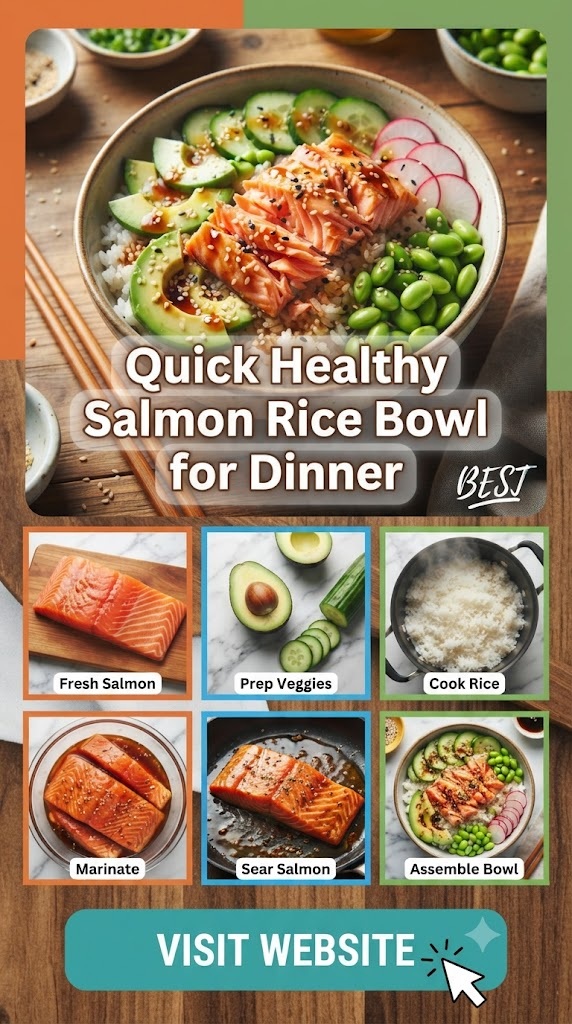
In the fast-paced world of modern cooking, there is one dish that has risen above the rest to become the quintessential healthy dinner: the Salmon Rice Bowl. It isn’t just a trend fueled by social media; it is a culinary masterpiece of balance, texture, and nutrition. When you pull together a perfectly seared piece of salmon, a fluffy bed of grains, and an array of vibrant, crunchy vegetables, you aren’t just making a meal—you are crafting an experience.
The magic of a salmon rice bowl lies in its versatility. It is a canvas for your cravings. Whether you are leaning into Japanese-inspired flavors with soy and ginger, or looking for something bright and citrusy with a lime-cilantro kick, the foundation remains the same. It is high-protein, rich in heart-healthy omega-3 fatty acids, and provides the sustained energy you need to get through a busy week.
Why You’ll Fall in Love with This Bowl
If you’ve ever found yourself staring into the fridge at 6:00 PM, wondering how to eat something healthy without spending two hours in the kitchen, this recipe is your answer.
- Efficiency Meets Flavor: Most of the components can be prepared simultaneously. While the rice simmers, the salmon sears, and while the salmon rests, you chop your greens.
- Texture Harmony: You get the flakey, fatty richness of the fish, the chew of the rice, the snap of fresh cucumbers, and the creaminess of ripe avocado.
- Nutritional Powerhouse: This is a “feel-good” meal. It doesn’t leave you feeling heavy or bloated. It provides clean fuel that supports brain health and muscle recovery.
- Endless Customization: Once you master the base technique, you can swap ingredients based on what is in your pantry.
Selecting the Star: The Salmon
The success of a Salmon Rice Bowl Healthy Dinner begins at the seafood counter. Not all salmon is created equal, and choosing the right cut will drastically change the outcome of your dish.
Wild-Caught vs. Farm-Raised
Wild-caught salmon, such as King (Chinook) or Sockeye, tends to be leaner and has a much more intense, “salmon-forward” flavor. It’s packed with minerals but can dry out quickly if overcooked. Farm-raised salmon, particularly Atlantic salmon, has a higher fat content and a milder flavor. This extra fat makes it more forgiving for beginner cooks, as it stays moist even if it stays on the heat a minute too long.
The Cut
For a bowl, I highly recommend using individual fillets rather than a large side of salmon. Look for center-cut pieces that are uniform in thickness. This ensures that every bite cooks at the same rate. If possible, keep the skin on during the cooking process. Even if you don’t plan on eating the skin, it acts as a heat shield, keeping the flesh tender and succulent.Salmon Rice Bowl Healthy Dinner
If you’re looking for a healthy, filling, and delicious dinner, this Salmon Rice Bowl is the perfect choice. It combines flaky salmon, warm rice, colorful vegetables, creamy avocado, and a savory homemade sauce for a balanced meal packed with protein, healthy fats, and fresh flavors. Best of all, it’s ready in about 30 minutes, making it ideal for busy weeknights.
Why You’ll Love This Recipe
- High in protein and Omega-3 fatty acids
- Ready in only 30 minutes
- Easy enough for beginners
- Perfect for meal prep
- Fresh, colorful, and satisfying
- Easily customizable with your favorite vegetables
Ingredients
For the Salmon
- 2 salmon fillets (about 6 oz each)
- 1 tablespoon olive oil
- 1 teaspoon garlic powder
- 1 teaspoon smoked paprika
- ½ teaspoon onion powder
- ½ teaspoon salt
- ¼ teaspoon black pepper
- ½ teaspoon dried parsley
- 1 teaspoon soy sauce
- 1 teaspoon lemon juice
For the Rice
- 2 cups cooked jasmine rice
- 1 teaspoon rice vinegar (optional)
Bowl Toppings
- 1 avocado, sliced
- 1 cucumber, sliced
- 1 cup shredded carrots
- 1 cup edamame, cooked
- 2 tablespoons chopped green onions
- 1 tablespoon sesame seeds
- Pickled ginger (optional)
Homemade Sauce
- 2 tablespoons mayonnaise
- 1 tablespoon sriracha
- 1 teaspoon soy sauce
- 1 teaspoon sesame oil
- 1 teaspoon honey
- 1 teaspoon lime juice
Kitchen Equipment
- Non-stick skillet or grill pan
- Rice cooker or saucepan
- Small mixing bowl
- Sharp knife
- Cutting board
- Measuring spoons
- Serving bowls
How to Cook Salmon Rice Bowl
Step 1: Prepare the Rice
Cook the jasmine rice according to package instructions. Keep warm while preparing the remaining ingredients.
Step 2: Season the Salmon
Pat the salmon dry using paper towels.
Mix together:
- Garlic powder
- Smoked paprika
- Onion powder
- Salt
- Pepper
- Dried parsley
Rub the salmon with olive oil.
Sprinkle the seasoning evenly over both sides.
Drizzle with soy sauce and lemon juice.
Let rest for 10 minutes.
Step 3: Cook the Salmon
Heat a skillet over medium heat.
Add a little olive oil.
Place the salmon skin-side down.
Cook for 5–6 minutes.
Flip carefully.
Cook another 3–5 minutes until the salmon flakes easily with a fork and reaches an internal temperature of 145°F (63°C).
Remove from the pan and let rest for 2 minutes.
Break into large bite-sized pieces.
Step 4: Make the Sauce
In a small bowl combine:
- Mayonnaise
- Sriracha
- Soy sauce
- Sesame oil
- Honey
- Lime juice
Whisk until smooth.
Step 5: Prepare the Vegetables
Slice the avocado.
Slice the cucumber.
Cook the edamame if needed.
Shred the carrots.
Chop the green onions.
Step 6: Assemble the Bowl
Divide the warm rice between serving bowls.
Top with:
- Cooked salmon
- Avocado
- Cucumber
- Carrots
- Edamame
Drizzle generously with the homemade sauce.
Finish with sesame seeds and green onions.
Serve immediately.
Pro Cooking Tips
- Use fresh salmon for the best flavor and texture.
- Don’t overcook the salmon; it should remain moist and flaky.
- Let the salmon rest briefly before flaking.
- Warm rice helps the sauce blend beautifully.
- Add fresh lime juice just before serving for extra freshness.
Optional Add-Ins
- Mango cubes
- Radishes
- Steamed broccoli
- Corn
- Seaweed salad
- Kimchi
- Jalapeño slices
- Crispy onions
Delicious Variations
Teriyaki Salmon Bowl
Brush the salmon with teriyaki sauce during the last minute of cooking.
Spicy Salmon Bowl
Increase the sriracha and add chili flakes.
Low-Carb Version
Replace rice with cauliflower rice.
Brown Rice Bowl
Use cooked brown rice for added fiber and whole-grain goodness.
Storage Instructions
Store leftovers in an airtight container in the refrigerator for up to 3 days.
Keep the sauce separate for the freshest results.
Reheating
Warm the rice and salmon in the microwave for 1–2 minutes.
Add fresh vegetables and sauce after reheating.
Nutrition (Approximate Per Serving)
- Calories: 620
- Protein: 39g
- Carbohydrates: 43g
- Fat: 30g
- Fiber: 8g
- Sugar: 6g
- Sodium: 650mg
Serving Suggestions
Serve with:
- Miso soup
- Seaweed salad
- Fresh fruit
- Green tea
- Sparkling water with lime
Frequently Asked Questions
Can I use frozen salmon?
Yes. Thaw it completely and pat it dry before seasoning and cooking.
What rice works best?
Jasmine rice, sushi rice, or brown rice are all excellent options.
Can I meal prep this recipe?
Absolutely. Store the salmon, rice, vegetables, and sauce separately for the best texture.
Is this recipe gluten-free?
Use gluten-free soy sauce or tamari to make it gluten-free.
Can I bake the salmon instead?
Yes. Bake at 400°F (200°C) for 12–15 minutes, depending on thickness.
Recipe Summary
This Healthy Salmon Rice Bowl is a nutritious, restaurant-quality meal that’s easy to prepare at home. Tender seasoned salmon, fluffy rice, crisp vegetables, creamy avocado, and a creamy spicy sauce come together to create a balanced dinner that’s perfect for busy weeknights, meal prep, or a wholesome family meal. Packed with protein, healthy fats, and vibrant flavors, this bowl is both satisfying and delicious.
Building the Foundation: The Perfect Rice
While it’s called a “rice bowl,” the choice of grain can change the entire personality of the dish.
- Jasmine Rice: This is my go-to for a fragrant, light, and slightly floral base. It pairs beautifully with Asian-inspired glazes.
- Brown Rice: For those looking to maximize fiber and nutrients, short-grain brown rice offers a nutty flavor and a satisfying chew.
- Sushi Rice: If you want that signature “sticky” texture that holds onto sauces, a high-quality Japanese short-grain rice is essential.
- Quinoa or Cauliflower Rice: For a low-carb or grain-free alternative, these options soak up the salmon juices wonderfully.
Pro Tip: Always wash your rice. Rinsing the grains under cold water until the water runs clear removes excess surface starch. This prevents the rice from becoming a gummy mass and ensures distinct, fluffy grains.
The Essential Ingredient List
To create a balanced bowl, you need to think in layers: Base, Protein, Crunch, Cream, and Zing.
For the Salmon:
- Fresh Salmon Fillets: 6-ounce portions are standard.
- Avocado Oil: High smoke point for the perfect sear.
- Kosher Salt and Cracked Black Pepper: Basic seasoning is key.
- Glaze/Marinade: A mix of soy sauce (or tamari), honey, toasted sesame oil, and grated ginger.
For the Bowl Assembly:
- Prepared Rice: Cooked according to package instructions with a pinch of salt.
- Cucumber: Persian or English cucumbers work best for their thin skin and low seed count.
- Avocado: Sliced or cubed for that essential healthy fat.
- Edamame: Shelled and steamed for a boost of plant-based protein.
- Radishes: Thinly sliced for a peppery bite and a pop of color.
- Seaweed (Nori): Strips of roasted seaweed add an earthy, umami depth.
The Finishing Sauce:
- Spicy Mayo: A simple blend of Kewpie mayo and Sriracha.
- Fresh Lime Juice: To cut through the richness of the fish.
- Toasted Sesame Seeds: For a final nutty crunch.
Step-by-Step Instructions for Culinary Success
1. Prep the Rice
Start your rice first. Whether using a rice cooker or the stovetop, this takes the longest. If you’re using a stovetop, use a 1:1.5 ratio of rice to water. Bring to a boil, then reduce to the lowest simmer with a tight-fitting lid. Once done, let it sit undisturbed for 5 minutes before fluffing with a fork.
2. Prepare the Salmon Glaze
In a small bowl, whisk together 2 tablespoons of soy sauce, 1 tablespoon of honey, 1 teaspoon of toasted sesame oil, and a teaspoon of freshly grated ginger. This “liquid gold” will caramelize on the fish, creating a savory-sweet crust.
3. The Perfect Sear
Pat your salmon fillets completely dry with paper towels. This is the most important step for a good sear—moisture is the enemy of a crisp crust. Season with salt and pepper.
Heat a heavy-bottomed skillet (cast iron is king here) over medium-high heat with a tablespoon of avocado oil. Once the oil is shimmering, place the salmon in the pan, skin-side down. Press down lightly with a spatula for 10 seconds to ensure full contact.
Cook for 4-5 minutes without moving it. You will see the color of the fish change as the heat travels up the fillet. Flip carefully and cook for another 2-3 minutes. In the last minute of cooking, pour your glaze into the pan. It will bubble and thicken instantly. Spoon the glaze over the salmon as it finishes.
4. Vegetable Prep
While the salmon rests for a few minutes (resting allows the juices to redistribute), prepare your toppings. Slice the cucumbers into rounds, pit and slice the avocado, and prepare your garnishes.
5. Assembly
Scoop a generous portion of rice into a wide, shallow bowl. Place the salmon fillet (either whole or flaked into large chunks) on one side. Arrange the cucumber, edamame, radishes, and avocado in neat sections around the fish.
Drizzle with your spicy mayo, a squeeze of fresh lime, and a sprinkle of sesame seeds. Finish with the nori strips.
Chef’s Secrets for a Better Bowl
The “Cold-Hot” Contrast: One of the reasons restaurant bowls taste so good is the temperature play. Ensure your rice is warm and your salmon is hot, but keep your vegetables ice-cold. This contrast makes every bite exciting for the palate.
Don’t Overcook the Fish: Salmon is best enjoyed when it is medium-rare to medium (an internal temperature of about 125°F to 130°F). If you cook it until it’s chalky and light pink all the way through, you lose the buttery texture that makes this dish special.
Season Every Layer: Don’t just season the fish. Add a splash of rice vinegar and a pinch of salt to your rice after it’s cooked. Toss your cucumber slices in a little lime juice. When every component is seasoned individually, the final bowl tastes harmonious.
Common Pitfalls to Avoid
- Crowding the Pan: If you are making bowls for four people, don’t try to cram all the salmon into one small skillet. If the fillets are too close, they will steam instead of sear, and you’ll miss out on that beautiful golden crust.
- Using Cold Salmon: Try to take your salmon out of the fridge about 15-20 minutes before cooking. Bringing it closer to room temperature helps it cook more evenly.
- Ignoring the Sauce: A bowl without a sauce can feel dry. Whether it’s a simple drizzle of soy sauce or a complex aioli, ensure there is enough moisture to tie the rice and fish together.
Variations to Keep Things Fresh
The beauty of the Salmon Rice Bowl Healthy Dinner is that it never has to be the same twice.
- The Tropical Bowl: Add diced mango, macadamia nuts, and a coconut milk-infused rice base.
- The Mediterranean Twist: Swap the soy glaze for a lemon-oregano marinade. Use brown rice and top with feta, olives, and a dollop of hummus.
- The Spicy Crunch Bowl: Add pickled jalapeños, extra Sriracha, and crushed wasabi peas for a serious kick.
- The Greens-Heavy Bowl: Use a 50/50 mix of rice and shredded kale or spinach to increase your leafy green intake.
Kitchen Equipment Needed
You don’t need a professional kitchen to make a professional-grade bowl, but a few tools make it easier:
- Cast Iron Skillet: For the best possible sear on the salmon.
- Rice Cooker: For “set it and forget it” consistency.
- Microplane: For grating fresh ginger and garlic into a fine paste.
- Sharp Chef’s Knife: To get those paper-thin radish and cucumber slices.
Storage and Meal Prep Tips
Can you meal prep a Salmon Rice Bowl? Absolutely!
For the Salmon: Cooked salmon stays fresh in the fridge for up to 3 days. To reheat without drying it out, use a toaster oven or air fryer at a low temperature (300°F) just until warmed through. Alternatively, eat it cold—flaked cold salmon is delicious in a bowl!
For the Rice: Rice can dry out in the fridge. To revive it, add a teaspoon of water and cover it with a damp paper towel before microwaving. This creates steam that fluffs the grains back up.
For the Toppings: Keep your “wet” toppings (like avocado or dressed cucumbers) separate until you are ready to eat. Avocado, in particular, should be sliced fresh to prevent browning.
The Nutritional Breakdown: Why It’s a Healthy Powerhouse
When we call this a “Healthy Dinner,” we mean it. Let’s look at what’s inside:
- Omega-3 Fatty Acids: Salmon is one of the best sources of EPA and DHA, which are essential for heart health and reducing inflammation.
- High-Quality Protein: Essential for muscle repair and keeping you satiated.
- Fiber: From the vegetables and brown rice (if used), which aids digestion and stabilizes blood sugar.
- Antioxidants: Ginger, garlic, and colorful vegetables are loaded with phytonutrients that support the immune system.
Frequently Asked Questions
Can I use frozen salmon?
Yes! Just ensure it is completely thawed before cooking. Pat it extra dry, as frozen fish tends to release more moisture during the thawing process.
Is this recipe gluten-free?
As written, it can be! Just ensure you use Tamari or Coconut Aminos instead of traditional soy sauce, which contains wheat.
How do I stop the salmon skin from sticking?
Make sure your pan is hot before adding the oil, and make sure the oil is shimmering before adding the fish. Once you place the fish down, leave it alone! It will naturally “release” from the pan once the skin has crisped up.
What if I don’t have a cast iron skillet?
A non-stick skillet will work fine, but you won’t get the same level of caramelization. If using non-stick, you may not need as much oil.
Can I air fry the salmon instead?
Definitely. Set your air fryer to 400°F and cook the salmon for 8-10 minutes depending on thickness. It won’t have the same “pan-seared” crust, but it is very convenient and less messy.
How do I choose a ripe avocado?
Gently squeeze the avocado in the palm of your hand. It should give slightly but not feel mushy. If the little stem at the top pops off easily and shows green underneath, it’s perfect.
Can I use white rice instead of brown?
Absolutely. White jasmine rice is a classic choice for this dish. While it has less fiber than brown rice, it is easier to digest for some and has a wonderful aroma.
Creating a “Signature” Bowl
To truly master the Salmon Rice Bowl, you have to find your signature addition. For some, it’s a drizzle of truffle oil. For others, it’s a sprinkle of “Furikake” (a Japanese seasoning consisting of dried fish, sesame seeds, and chopped seaweed).
Don’t be afraid to experiment with the sauce. A honey-miso dressing or a ginger-carrot vinaigrette can transform the flavor profile entirely. The goal is to create a bowl that reflects your personality and satisfies your specific cravings.
Practical Advice for Busy Weeknights
If you are a parent or a busy professional, the idea of “searing salmon” might feel like too much on a Tuesday. Here is how to make it faster:
- Buy Pre-Cooked Rice: Those microwaveable pouches of jasmine or basmati rice are surprisingly high quality and take 90 seconds.
- Use a Mandoline: A mandoline slicer will turn a whole cucumber and a bunch of radishes into perfect slices in under a minute. (Just use the safety guard!)
- Pre-Marinate: You can put your salmon in the marinade in the morning. When you get home, it’s ready to hit the pan.
The Importance of Presentation
We eat with our eyes first. One of the reasons the salmon rice bowl is so popular is that it looks like a work of art. When assembling your bowl:
- Group Colors Together: Put the green edamame next to the orange salmon. Put the white radishes next to the dark seaweed.
- Use Wide Bowls: This allows all the ingredients to be seen. A deep, narrow bowl hides half the toppings.
- Garnish with Intention: Don’t just dump the sesame seeds; sprinkle them from high up for an even coating.
Sustainable Seafood: A Note on Sourcing
When shopping for your Salmon Rice Bowl Healthy Dinner, consider the impact of your purchase. Look for labels like MSC (Marine Stewardship Council) or ASC (Aquaculture Stewardship Council). These certifications ensure that the fish was caught or raised in a way that protects the ocean’s ecosystems for future generations. Buying sustainable seafood might cost a dollar or two more per pound, but the quality and ethical peace of mind are worth it.
The Science of the Maillard Reaction
Why do we sear the salmon instead of just poaching it? It’s all about the Maillard reaction. This is a chemical reaction between amino acids and reducing sugars that gives browned food its distinctive flavor. By searing the salmon, you aren’t just changing the texture; you are creating hundreds of different flavor compounds that don’t exist in raw or steamed fish. That “savory” depth is what makes the bowl truly satisfying.
Pairing Your Bowl
What should you drink with a Salmon Rice Bowl?
- For Non-Alcoholic: A crisp sparkling water with a squeeze of lime or a chilled green tea is perfect. The tannins in green tea cut through the fattiness of the salmon beautifully.
- For Wine Lovers: A dry Rosé or a light Pinot Noir pairs wonderfully with salmon. If your bowl is particularly spicy, a slightly off-dry Riesling can help balance the heat.
- For Beer Enthusiasts: A Japanese Lager or a light Pilsner provides a clean, refreshing finish that won’t overwhelm the delicate flavors of the fish.
Final Culinary Thoughts
The Salmon Rice Bowl Healthy Dinner is more than just a recipe; it is a philosophy of eating. It emphasizes fresh ingredients, thoughtful preparation, and a balance of macronutrients. It teaches us that “healthy” does not have to mean “bland,” and that “quick” does not have to mean “processed.”
As you stand in your kitchen, searing that salmon and fluffing that rice, take a moment to appreciate the simplicity of the process. In less time than it takes to order takeout, you have created a meal that is nourishing, delicious, and visually stunning.
Whether you are cooking for a family of four or just meal-prepping for yourself, this bowl is a reliable companion. It’s a dish that grows with you—the more you cook it, the more you’ll find little ways to make it your own. So, grab your skillet, wash your rice, and get ready to enjoy the best dinner of your week.
FAQs About Salmon Rice Bowls
Q: Can I use salmon canned in water? A: While you can, the texture will be completely different. Canned salmon is better suited for salmon cakes or salads. For a rice bowl, a fresh or frozen fillet is much preferred for the texture and flavor.
Q: How do I get my rice to be “fluffy” and not sticky? A: Aside from washing the rice, make sure you don’t stir it while it’s cooking. Stirring releases more starch and leads to a mushy texture. Let it steam undisturbed.
Q: Is it okay to eat salmon skin? A: Yes! In fact, the skin contains a high concentration of omega-3s. If you sear it until it’s “chip-crisp,” it adds an incredible texture to the bowl.
Q: What can I substitute for avocado? A: If avocados aren’t in season or you don’t like them, try a dollop of Greek yogurt mixed with lime, or some blanched asparagus for a different kind of creaminess/crunch.
Q: How do I grate ginger easily? A: Keep your ginger root in the freezer! When it’s frozen, it grates easily on a microplane without turning into a stringy mess. You don’t even need to peel it if you’re using a fine grater.
Q: Can I make this bowl vegan? A: You can use the same base and toppings but swap the salmon for crispy pan-fried tofu or “watermelon tuna.” Use a vegan mayo for the spicy sauce.
Q: Why does my salmon smell “fishy”? A: Truly fresh salmon should have almost no smell, or a very faint smell of the ocean. If it has a strong, sour, or “fishy” odor, it is likely past its prime. Always buy from a reputable fishmonger.
Conclusion
The journey to a healthier lifestyle often starts with a single meal. The Salmon Rice Bowl is that perfect entry point. It bridges the gap between gourmet flavor and home-cooked simplicity. By focusing on high-quality protein, complex carbohydrates, and fresh produce, you are giving your body exactly what it needs to thrive.
Remember, there is no right or wrong way to build your bowl. Use this guide as a roadmap, but don’t be afraid to take a detour. Maybe you’ll discover that you love roasted sweet potatoes in your bowl, or perhaps a drizzle of tahini is your new favorite topping. The kitchen is your laboratory, and the salmon rice bowl is your most successful experiment yet.
Enjoy every bite, relish the vibrant colors, and take pride in the fact that you’ve mastered one of the most versatile and nutritious meals in the modern culinary repertoire. Happy cooking!
