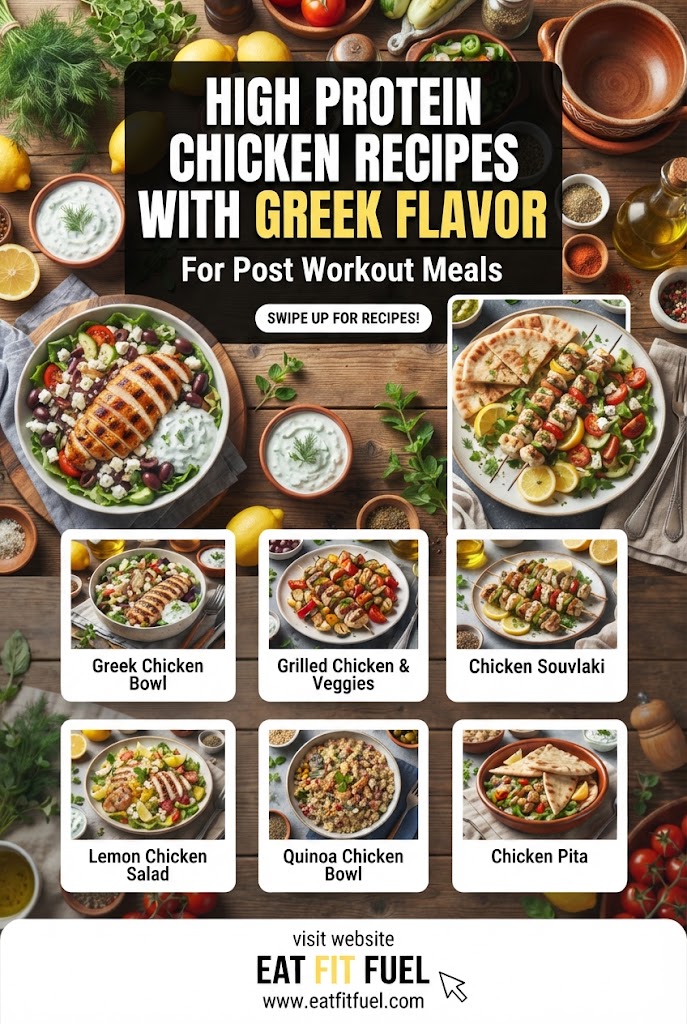
The period immediately following a grueling workout is often referred to by athletes and fitness enthusiasts as the “anabolic window.” This is the time when your muscles are most receptive to nutrients, screaming for repair and replenishment. While protein shakes are a convenient stop-gap, nothing beats a whole-food, nutrient-dense meal to truly kickstart the recovery process.
Among the myriad of global cuisines, Greek food stands out as a gold mine for post-workout nutrition. It balances lean proteins, healthy fats, and complex carbohydrates with an explosion of fresh herbs and citrus. By focusing on high-protein chicken paired with classic Mediterranean flavors, you aren’t just eating for muscle growth—you are treating your palate to a culinary vacation.
In this comprehensive guide, we will explore the science of post-workout nutrition, the key components of the Greek flavor profile, and provide detailed, step-by-step recipes designed to maximize your gains and satisfy your hunger.
The Science of Post-Workout Nutrition
Before diving into the recipes, it is crucial to understand why chicken and Greek ingredients are so effective for recovery.
1. Muscle Protein Synthesis (MPS)
When you lift weights or engage in high-intensity interval training (HIIT), you create microscopic tears in your muscle fibers. To repair these and build stronger tissue, your body requires amino acids. Chicken breast is a “complete protein,” meaning it contains all nine essential amino acids, including a high concentration of Leucine, which is the primary trigger for muscle protein synthesis.
2. Glycogen Replenishment
While protein is the building block, carbohydrates are the delivery vehicle. Greek cuisine often incorporates chickpeas, quinoa, or whole-grain pita. These complex carbohydrates replenish the glycogen stores in your muscles that were depleted during exercise, providing you with the energy needed for your next session.
3. Anti-Inflammatory Properties
Post-workout soreness is often the result of inflammation. Greek cooking relies heavily on olive oil (rich in oleocanthal), garlic, and oregano. These ingredients possess natural anti-inflammatory properties that can help reduce muscle tenderness and improve recovery time.
The Greek Flavor Arsenal: Key Ingredients
To master these recipes, you need to understand the “Big Five” of Greek flavoring. These ingredients appear throughout our recipes in various forms.
| Ingredient | Role in Flavor | Post-Workout Benefit |
|---|---|---|
| Greek Yogurt | Creamy, tangy base for sauces. | High in casein and whey protein; probiotics for gut health. |
| Lemon Juice/Zest | Brightness and acidity. | Vitamin C aids in collagen synthesis for joint health. |
| Dried Oregano | Earthy, aromatic depth. | High antioxidant content to fight oxidative stress. |
| Garlic | Pungent, savory foundation. | Improves blood flow and reduces blood pressure. |
| Extra Virgin Olive Oil | Healthy fat carrier. | Monounsaturated fats support hormone production (like testosterone). |
Recipe 1: The Ultimate Greek Lemon-Garlic Chicken Souvlaki
Souvlaki is perhaps the most iconic Greek street food. When prepared at home, it becomes a high-protein powerhouse. By using skewers, you increase the surface area of the chicken, allowing for maximum caramelization and flavor absorption.
Ingredient Details
| Category | Ingredient | Quantity |
|---|---|---|
| Protein | Boneless, Skinless Chicken Breast (cubed) | 2 lbs (approx. 900g) |
| Marinade | Extra Virgin Olive Oil | 1/4 Cup |
| Marinade | Fresh Lemon Juice | 3 Tablespoons |
| Marinade | Fresh Garlic (minced) | 4 Cloves |
| Herbs | Dried Oregano | 2 Teaspoons |
| Seasoning | Sea Salt and Cracked Black Pepper | To Taste |
| Sides | Whole Wheat Pita or Cucumber Salad | As needed |
Step-By-Step Instructions
- Prep the Chicken: Cut the chicken breasts into uniform 1-inch cubes. Uniformity is key here to ensure all pieces cook at the same rate, preventing some from drying out while others remain undercooked.
- Create the Marinade: In a large glass bowl or a heavy-duty gallon freezer bag, whisk together the olive oil, lemon juice, minced garlic, oregano, salt, and pepper.
- Marinate: Add the chicken cubes to the marinade. Ensure every piece is thoroughly coated. For post-workout convenience, you can do this in the morning or the night before. Let it sit in the fridge for at least 30 minutes, though 4 hours is ideal.
- Skewering: If using wooden skewers, soak them in water for 20 minutes to prevent burning. Thread the chicken onto the skewers, packing them slightly tightly to retain moisture.
- Grilling: Preheat a grill or cast-iron grill pan to medium-high heat. Lightly oil the grates.
- Cooking: Place skewers on the grill. Cook for about 3–4 minutes per side, turning four times (total 12–15 minutes), until the internal temperature reaches 165°F (74°C).
- Resting: This is the most skipped but vital step. Let the chicken rest for 5 minutes. This allows the juices to redistribute, ensuring a succulent bite.
- Serving: Serve with a side of Greek yogurt mixed with dill (a quick Tzatziki) for an extra protein boost.
Recipe 2: Mediterranean Stuffed Chicken Breasts with Spinach and Feta
For those looking for a gourmet feel without the “cheat meal” calories, stuffing your chicken is the way to go. This recipe packs extra micronutrients through the addition of spinach and healthy fats from feta cheese.
Ingredient Details
| Category | Ingredient | Quantity |
|---|---|---|
| Main Protein | Large Chicken Breasts | 4 Units (approx. 8oz each) |
| Filling | Fresh Spinach (chopped/wilted) | 2 Cups |
| Filling | Low-Fat Feta Cheese (crumbled) | 1/2 Cup |
| Filling | Sun-dried Tomatoes (finely chopped) | 2 Tablespoons |
| Coating | Smoked Paprika | 1 Teaspoon |
| Coating | Garlic Powder | 1 Teaspoon |
| Binder | Toothpicks or Kitchen Twine | As needed |
Step-By-Step Instructions
- Preheat and Prep: Preheat your oven to 400°F (200°C).
- Prepare the Filling: In a small bowl, mix the wilted spinach (ensure you squeeze out all excess water), crumbled feta, and sun-dried tomatoes. The sun-dried tomatoes add a concentrated “umami” punch that elevates the dish.
- The “Pocket” Technique: Place your hand flat on top of the chicken breast. Using a sharp pairing knife, slice into the thickest part of the breast to create a pocket. Be careful not to cut all the way through to the other side.
- Stuffing: Spoon 2–3 tablespoons of the filling into each pocket.
- Seal: Use 2–3 toothpicks to “stitch” the opening closed. This prevents the feta from leaking out and burning on the pan.
- Seasoning: Rub the outside of the chicken with a tiny bit of olive oil, then sprinkle with smoked paprika, garlic powder, salt, and pepper.
- Searing: In an oven-safe skillet, sear the chicken over medium-high heat for 2 minutes per side until golden brown.
- Baking: Transfer the skillet directly into the oven. Bake for 15–20 minutes until the chicken is firm and cooked through.
- Serve: This pairs excellently with roasted lemon potatoes or a simple Greek salad.
Recipe 3: High-Protein Greek Chicken Meal Prep Bowls
If you are a busy athlete, meal prepping is your best friend. These bowls are designed to be eaten hot or cold, making them the perfect “grab-and-go” post-gym meal.
Ingredient Details
| Category | Ingredient | Quantity |
|---|---|---|
| Protein | Shredded Rotisserie or Roasted Chicken | 3 Cups |
| Base | Cooked Quinoa or Brown Rice | 2 Cups |
| Vegetables | English Cucumber (diced) | 1 Large |
| Vegetables | Cherry Tomatoes (halved) | 1 Pint |
| Vegetables | Red Onion (thinly sliced) | 1/4 Unit |
| Legumes | Canned Chickpeas (rinsed) | 1 Can (15oz) |
| Dressing | Plain Greek Yogurt | 1 Cup |
| Dressing | Fresh Dill & Mint (chopped) | 2 Tablespoons each |
Step-By-Step Instructions
- Base Preparation: Cook your quinoa or brown rice according to package instructions. Quinoa is preferred for post-workout because it is a “pseudo-cereal” that contains additional protein and fiber.
- Chicken Prep: If you aren’t using a pre-cooked rotisserie chicken, poach two large chicken breasts in salted water with a slice of lemon until cooked, then shred with two forks.
- The “Tzatziki” Sauce: In a bowl, combine the Greek yogurt, chopped dill, mint, a squeeze of lemon, and one minced garlic clove. This sauce provides about 20g of protein per cup, making it a functional part of the meal rather than just a garnish.
- Vegetable Assembly: Toss the diced cucumber, cherry tomatoes, and red onion together.
- Assembly Line: Get four meal-prep containers ready.
- Bottom layer: 1/2 cup Quinoa.
- Second layer: 1/2 cup Chickpeas.
- Third layer: 3/4 cup Shredded Chicken.
- Top layer: The fresh vegetable mix.
- Storage: Store the yogurt dressing in small separate containers. Pouring it over the vegetables ahead of time can make them soggy.
- Consumption: When ready to eat, drizzle the yogurt sauce over the bowl and mix. The combination of chicken, quinoa, and yogurt provides a massive 45–55g of protein per serving.
Recipe 4: One-Pan Greek Chicken and Orzo
Post-workout exhaustion is real. Sometimes, you don’t want to wash five different pans. This one-pan wonder ensures you get your macros without the cleanup headache.
Ingredient Details
| Category | Ingredient | Quantity |
|---|---|---|
| Protein | Boneless, Skinless Chicken Thighs | 1.5 lbs |
| Carbohydrate | Uncooked Orzo Pasta | 1.5 Cups |
| Liquid | Low-Sodium Chicken Bone Broth | 3 Cups |
| Flavor | Kalamata Olives (pitted) | 1/2 Cup |
| Vegetables | Zucchini (sliced) | 1 Medium |
| Herbs | Fresh Parsley | 1/4 Cup |
| Citrus | Sliced Lemon Rounds | 1 Lemon |
Step-By-Step Instructions
- Sear the Thighs: Chicken thighs are slightly higher in fat than breasts but contain more iron and zinc—essential for athletes. In a large deep skillet, brown the chicken thighs on both sides (about 3 minutes per side). Remove and set aside.
- Toast the Orzo: In the same pan (don’t wipe out the chicken fat!), add the dry orzo. Stir for 1–2 minutes until it smells slightly nutty and looks toasted.
- Deglaze: Pour in the chicken bone broth. Use a wooden spoon to scrape the “fond” (the brown bits) off the bottom of the pan—that is where the flavor lives!
- Combine: Add the sliced zucchini, olives, and lemon rounds to the pan.
- Simmer: Place the chicken thighs back on top of the orzo mixture.
- Cook: Cover the pan and simmer on low heat for about 12–15 minutes. The orzo will absorb the broth and the chicken juices, becoming incredibly flavorful.
- Final Touch: Once the liquid is absorbed and the orzo is tender, turn off the heat. Sprinkle with a generous amount of fresh parsley and a handful of feta if desired.
- Nutritional Edge: Using bone broth instead of water adds extra collagen and glycine, which supports tendon and ligament health.
Recipe 5: Greek Chicken Meatballs (Keftedes) with Cauliflower Rice
For those on a cutting phase or looking to keep their post-workout meal “light yet dense,” chicken meatballs served over cauliflower rice are the answer.
Ingredient Details
| Category | Ingredient | Quantity |
|---|---|---|
| Protein | Ground Chicken (Lean) | 1 lb |
| Binder | Almond Flour (Grain-free) | 1/4 Cup |
| Aromatic | Grated Onion (drained) | 1/4 Cup |
| Seasoning | Dried Mint & Dried Oregano | 1 Teaspoon each |
| Acid | Red Wine Vinegar | 1 Teaspoon |
| Base | Frozen Cauliflower Rice | 1 Bag (12oz) |
Step-By-Step Instructions
- The Onion Secret: Grate the onion into a paper towel and squeeze out all the moisture. This prevents the meatballs from falling apart and ensures a concentrated onion flavor without the crunch.
- Mixing: In a bowl, combine ground chicken, almond flour, the squeezed onion, mint, oregano, vinegar, salt, and pepper. Do not overmix; overmixing leads to tough, rubbery meatballs.
- Forming: Roll into small balls, about the size of a golf ball. You should get roughly 12–16 meatballs.
- Cooking (Air Fryer Method): For the healthiest version, air fry at 375°F (190°C) for 10–12 minutes, shaking the basket halfway through. Alternatively, bake in the oven for 18 minutes.
- The Base: While the meatballs cook, sauté the cauliflower rice in a pan with a little lemon juice and garlic until tender (about 5 minutes).
- Serving: Serve the meatballs over the “rice” and top with a splash of hot sauce or a dollop of Greek yogurt. This meal is incredibly high in protein but very low in calories, perfect for late-night post-workout sessions.
Mastering the “High Protein” Aspect: Macro Breakdown
To truly optimize these meals for your goals, you need to know how to adjust them.
The Protein Target
For muscle hypertrophy (growth), aim for 30 to 50 grams of protein in your post-workout meal.
- A 6oz chicken breast provides roughly 45g of protein.
- 1/2 cup of Greek yogurt adds another 12g.
- 1 cup of cooked quinoa adds 8g.
By combining these, you can easily reach a 60g+ protein meal if you are a larger athlete or have high caloric needs.
The Fat Balance
While Greek food uses olive oil, keep an eye on the quantity if you are in a “cutting” phase. Fats slow down digestion. While this is great for satiety, immediately after a workout, you want the protein and carbs to reach your muscles quickly.
- Tip: Use more lemon juice and vinegar for flavor, and keep the olive oil to 1 tablespoon per serving.
The Fiber Factor
Fiber is essential, but too much fiber immediately after a workout can cause bloating in some individuals. Greek salads (cucumbers, tomatoes) provide a moderate amount of fiber that usually sits well with most people.
Deep Dive: The Superfoods of the Mediterranean
Every ingredient in these recipes was chosen not just for flavor, but for its functional benefit to an athlete’s body.
1. Garlic: The Natural Vasodilator
Garlic contains allicin. For an athlete, garlic is beneficial because it helps improve blood circulation. Better circulation means more efficient delivery of oxygen and nutrients to the muscles you just finished training.
2. Spinach: The Nitric Oxide Booster
The spinach in the stuffed chicken recipe is rich in nitrates. Nitrates help the body use oxygen more efficiently, which can improve endurance and recovery. Plus, it’s a source of plant-based iron.
3. Kalamata Olives: The Electrolyte Source
You lose sodium through sweat. Kalamata olives are naturally salty and provide a delicious way to replenish your sodium levels without reaching for a processed sports drink.
4. Lemon: The Alkalizing Agent
Despite being acidic, lemons have an alkalizing effect on the body once metabolized. This can help balance the pH levels in the body which can become slightly acidic after intense anaerobic exercise.
Advanced Meal Prep: The “Greek Chicken” Blueprint
If you want to be successful in your fitness journey, you must eliminate the “decision fatigue” that happens after the gym. Use this blueprint to prep a week’s worth of Greek fuel in 60 minutes.
The 60-Minute Workflow:
- Minute 0–10: Preheat oven to 400°F. Chop 3 lbs of chicken breast into cubes.
- Minute 10–20: Marinate the chicken in a large bowl (Oil, Lemon, Oregano, Garlic). Start a pot of Quinoa on the stove.
- Minute 20–35: Spread the chicken on a large baking sheet. Put it in the oven. Chop cucumbers, tomatoes, and onions for the week.
- Minute 35–45: Mix a large batch of Tzatziki (Greek Yogurt, Dill, Garlic). Portion it into small containers.
- Minute 45–60: Remove chicken from the oven. Let it cool. Divide the quinoa, chicken, and vegetables into 5–6 containers.
Now, for the rest of the week, you have a high-protein, chef-quality meal waiting for you the second you walk through the door from the gym.
Creative Variations for Dietary Restrictions
For the Low-Carb/Keto Athlete:
Swap the pita or quinoa for a “Big Greek Salad” base. Increase the feta cheese and olive oil to meet your fat macros. Use the Keftedes (Meatballs) recipe with almond flour as it is naturally keto-friendly.
For the Dairy-Free Athlete:
The Greek yogurt is a staple, but it can be replaced. Use a “Tahini Sauce” instead. Mix 1/4 cup tahini with lemon juice and water until creamy. It provides healthy fats and a similar nutty, tangy profile without the lactose.
For the “Hardgainer” (High Calorie):
If you struggle to put on weight, don’t just eat the chicken. Wrap it in a thick, fluffy pita, add extra hummus, and don’t be shy with the olive oil roasted potatoes. The goal is to keep the protein high but significantly increase the complex carbohydrates.
The Psychological Benefit: Flavor vs. “Bro-Food”
We’ve all seen the stereotypical bodybuilder meal: dry chicken, plain broccoli, and white rice. While effective, it is incredibly boring. The primary reason people fail their diets is “palate fatigue.”
By utilizing Greek flavors, you are engaging in “Culinary Therapy.” The brightness of the lemon and the creaminess of the yogurt make you feel like you are eating at a high-end restaurant. When you enjoy your food, your cortisol levels (the stress hormone) stay lower. Lower cortisol is directly linked to better muscle retention and fat loss.
Summary of Post-Workout Tips
To get the most out of these Greek recipes, remember these three golden rules:
- Hydrate with the Meal: Drink at least 16oz of water with these meals. The protein and fiber require water to digest efficiently.
- Timing Matters: Try to eat your Greek chicken meal within 60 to 90 minutes of finishing your workout.
- Quality Ingredients: Use the best olive oil and freshest herbs you can find. The micronutrient profile of “Extra Virgin” olive oil is significantly higher than standard refined oils.
Conclusion
Fueling your body doesn’t have to be a chore. By embracing the vibrant, healthy, and protein-packed world of Greek cuisine, you transform your post-workout nutrition from a necessity into a highlight of your day. Whether you are skewering chicken for the grill, stuffing it with feta and spinach, or prepping bowls for a busy week, these recipes provide the perfect balance of macronutrients and micronutrients to help you reach your fitness goals.
Eat like a Spartan, train like an athlete, and enjoy every single bite. Your muscles—and your taste buds—will thank you.
