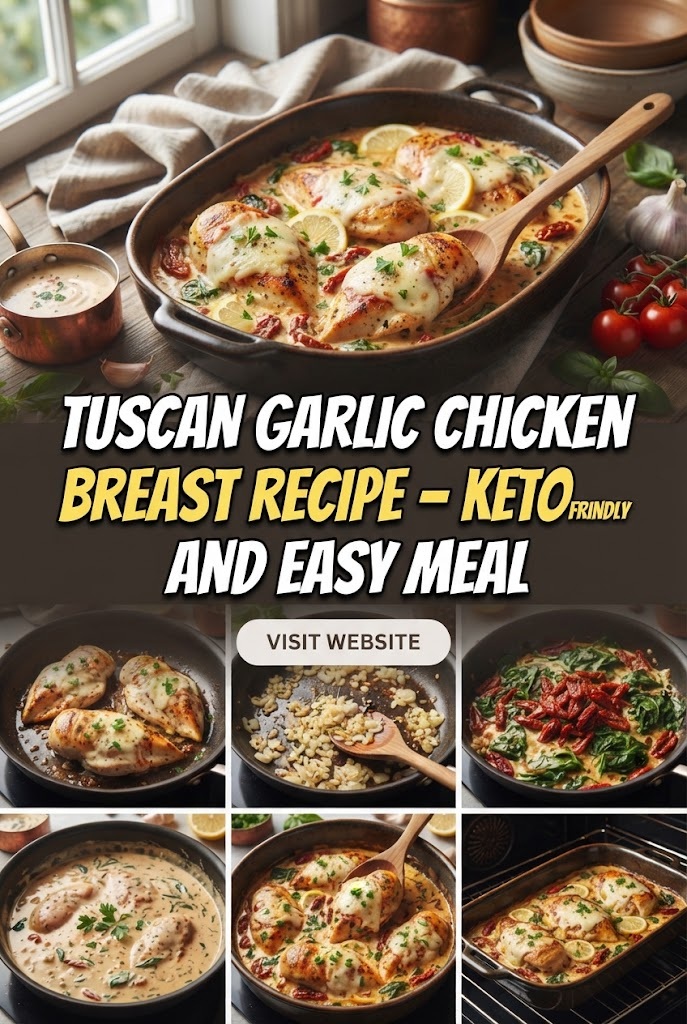
In the realm of gourmet home cooking, few dishes strike the perfect balance between rustic elegance and dietary efficiency like the Tuscan Garlic Chicken Breast. This dish is more than just a meal; it is a sensory journey to the rolling hills of Italy, bringing together the richness of heavy cream, the pungent aroma of fresh garlic, and the vibrant tang of sun-dried tomatoes. Whether you are a dedicated follower of the ketogenic lifestyle or simply someone who appreciates a restaurant-quality dinner that takes less than thirty minutes to prepare, this recipe is destined to become a permanent fixture in your culinary rotation.
The beauty of the Tuscan Garlic Chicken lies in its versatility. It manages to feel incredibly indulgent while remaining strictly low-carb, making it a “unicorn” recipe for those trying to maintain ketosis without sacrificing the joy of eating. In this comprehensive guide, we will explore every facet of this dish—from the science of searing the perfect chicken breast to the art of emulsifying a flawless cream sauce.
Why This Recipe is a Keto Game-Changer
When transitioning to a ketogenic diet, many people fear they will have to say goodbye to creamy, savory sauces. However, the Tuscan Garlic Chicken proves the opposite. By utilizing high-quality fats like heavy cream, butter, and parmesan cheese, we create a high-satiety meal that keeps you full for hours and fuels your body with healthy fats.
1. High Protein, Low Carb Profile
Chicken breast is the ultimate lean protein, providing the building blocks for muscle repair and metabolic health. By pairing it with a high-fat sauce, we achieve the ideal macro-nutrient ratio for keto. A single serving typically contains less than 5 grams of net carbs, most of which come from nutrient-dense vegetables like spinach and garlic.
2. One-Pan Simplicity
Cleanup is often the deterrent for home cooking. This recipe is designed as a one-pan wonder. Using a single large skillet (preferably cast iron or heavy-bottomed stainless steel) allows the chicken juices to mingle with the sauce, creating a depth of flavor that a multi-pan process simply cannot replicate.
3. Anti-Inflammatory Ingredients
Garlic and spinach are the unsung heroes of this dish. Garlic is renowned for its immune-boosting properties and ability to support heart health, while spinach is packed with iron, magnesium, and Vitamin K. When cooked in the healthy fats of the sauce, these nutrients become even more bioavailable to your body.
The Essential Ingredient Breakdown
To achieve the best results, the quality of your ingredients is paramount. Let’s look at what you’ll need and why each component matters.
The Protein: Chicken Breast
While chicken thighs are often preferred in keto for their higher fat content, chicken breasts provide a cleaner canvas for the rich Tuscan sauce. The key is to slice them into thin cutlets or pound them to an even thickness to ensure they cook quickly without drying out.
The Aromatics: Fresh Garlic
In a dish called “Tuscan Garlic Chicken,” there is no room for the jarred, pre-minced variety. Fresh cloves provide a spicy, sharp bite that mellows into a buttery sweetness when sautéed. We recommend at least four to six cloves, but for true garlic lovers, more is always better.
The Flavor Base: Sun-Dried Tomatoes
Sun-dried tomatoes packed in olive oil are the secret weapon here. They provide a concentrated “umami” punch and a slight acidity that cuts through the richness of the cream. Be sure to drain the excess oil, but don’t rinse them; that oil carries immense flavor.
The Greenery: Fresh Baby Spinach
Spinach adds volume and color. It wilts down into the sauce, absorbing the garlic and cream, making it a delicious way to get your daily serving of greens.
The Sauce: Heavy Cream and Parmesan
Heavy whipping cream (36% fat or higher) is essential for the thick, velvety texture. Paired with freshly grated Parmesan Reggiano, it creates a salty, nutty glaze that clings to the chicken.
Detailed Ingredients List
- Chicken Breasts: 1.5 lbs (approximately 3 large breasts, halved lengthwise).
- Salt and Black Pepper: To taste (be generous).
- Italian Seasoning: 1 tablespoon (a blend of dried oregano, basil, rosemary, and thyme).
- Olive Oil: 2 tablespoons (extra virgin is best).
- Unsalted Butter: 2 tablespoons.
- Fresh Garlic: 5-6 cloves, minced.
- Sun-Dried Tomatoes: 1/2 cup, drained and chopped.
- Heavy Cream: 1.5 cups.
- Fresh Baby Spinach: 3 cups, packed.
- Grated Parmesan Cheese: 1/2 cup (freshly grated for better melting).
- Red Pepper Flakes: 1/2 teaspoon (optional, for a subtle kick).
Step-by-Step Cooking Instructions
Step 1: Prep and Season the Chicken
Start by patting your chicken breasts dry with paper towels. This is a crucial step; moisture is the enemy of a good sear. If the breasts are thick, slice them horizontally into two thin cutlets. Season both sides liberally with salt, pepper, and half of the Italian seasoning.
Step 2: The Perfect Sear
Heat the olive oil in a large skillet over medium-high heat. Once the oil is shimmering (but not smoking), add the chicken breasts. Do not overcrowd the pan; cook in batches if necessary. Sear for 5-7 minutes per side until golden brown and cooked through. Remove the chicken from the pan and set it aside on a plate, tented with foil to keep it warm.
Step 3: Sauté the Aromatics
Lower the heat to medium. In the same pan (keeping the browned bits, or “fond,” from the chicken), melt the butter. Add the minced garlic and sauté for about 1 minute until fragrant. Add the chopped sun-dried tomatoes and the remaining Italian seasoning. Cook for another 2 minutes, allowing the tomatoes to release their oils.
Step 4: Create the Cream Base
Pour the heavy cream into the skillet. Use a wooden spoon to scrape the bottom of the pan to incorporate all those flavorful browned bits into the liquid. Bring the cream to a gentle simmer. Do not let it reach a rolling boil, as this can cause the cream to separate.
Step 5: The Cheese and Spinach Melt
Once the cream is simmering, stir in the grated Parmesan cheese. Whisk constantly until the cheese has melted and the sauce begins to thicken slightly. Add the baby spinach one handful at a time, stirring until it wilts into the sauce.
Step 6: The Grand Reunion
Add the cooked chicken breasts (and any juices that accumulated on the plate) back into the skillet. Spoon the sauce over the chicken and let everything simmer together for 2-3 minutes. This allows the chicken to absorb the flavors of the sauce and ensures everything is piping hot.
Pro Tips for the Perfect Tuscan Sauce
- Avoid Sauce Separation: If your sauce looks like it’s “breaking” (oil separating from the cream), it’s likely too hot. Remove the pan from the heat and whisk in a tablespoon of cold water or a splash of room-temperature cream to bring it back together.
- Thickness Control: If you prefer a thicker sauce, let it simmer for an extra few minutes before adding the chicken. If it’s too thick, a splash of chicken broth or water will thin it out perfectly.
- The Cheese Quality: Pre-shredded cheese in bags is coated in potato starch or cellulose to prevent clumping. This can make your sauce grainy. Always grate your Parmesan from a block for a silky-smooth finish.
Keto-Friendly Serving Suggestions
Since this dish is inherently low-carb, you want to pair it with sides that won’t spike your insulin. Here are the best keto-friendly options:
- Zucchini Noodles (Zoodles): Lightly sautéed zoodles are the classic choice. They act like pasta, soaking up the creamy garlic sauce.
- Cauliflower Mash: For a comfort-food vibe, serve the chicken over a bed of buttery, garlic-infused mashed cauliflower. It mimics the texture of mashed potatoes perfectly.
- Roasted Asparagus or Broccoli: The char from roasted vegetables provides a nice textural contrast to the creamy sauce.
- Palmini Pasta: Made from hearts of palm, this is an excellent low-calorie, low-carb pasta substitute that holds its shape well in heavy sauces.
- Steamed Green Beans: A simple, crunchy side that balances the richness of the heavy cream and butter.
Variations and Substitutions
While the classic recipe is a masterpiece, you can easily adapt it to suit your pantry or preferences.
- Protein Swaps: This sauce works beautifully with shrimp, salmon, or even pork chops. If using shrimp, reduce the cooking time significantly to avoid a rubbery texture.
- Dairy-Free Option: For a paleo or dairy-free version, swap the heavy cream for full-fat canned coconut milk and use nutritional yeast instead of Parmesan cheese. Use avocado oil instead of butter.
- Different Greens: If you aren’t a fan of spinach, kale or Swiss chard work exceptionally well. Just be sure to remove any tough stems and sauté them a bit longer than you would spinach.
- Spice it Up: For those who enjoy heat, add a teaspoon of red chili flakes or a diced jalapeño during the garlic sauté phase.
Meal Prep and Storage Guidelines
Tuscan Garlic Chicken is an excellent candidate for meal prep, as the flavors often deepen overnight.
Storing in the Refrigerator
Store leftovers in an airtight container for up to 3-4 days. The sauce will thicken significantly when cold, turning almost into a gel—this is normal due to the high fat and cheese content.
Reheating
To maintain the texture of the sauce, avoid the microwave if possible. Instead, place the chicken and sauce in a small skillet over low heat. Add a splash of water or cream to loosen the sauce and cover the pan. Heat slowly until warmed through. This prevents the chicken from becoming rubbery and the sauce from oiling out.
Freezing
While you can freeze this dish, dairy-based sauces can sometimes change texture upon thawing, appearing slightly curdled. If you do freeze it, thaw it completely in the refrigerator before reheating slowly on the stove.
Nutritional Breakdown (Per Serving)
Note: Calculations are based on 4 servings.
- Calories: 520 kcal
- Total Fat: 38g
- Saturated Fat: 22g
- Protein: 42g
- Total Carbohydrates: 6g
- Dietary Fiber: 1g
- Net Carbohydrates: 5g
- Cholesterol: 185mg
- Sodium: 650mg
This profile makes it a “Fat Bomb” dinner that perfectly fits the keto macro goals of high fat and moderate protein.
The Science of Searing: Why Color Equals Flavor
Many home cooks rush the searing process, but in a dish like Tuscan Garlic Chicken, the sear is where the magic happens. This is known as the Maillard Reaction. This chemical reaction between amino acids and reducing sugars gives browned food its distinctive flavor.
When you sear the chicken, you aren’t just cooking it; you are creating a complex layer of flavor on the surface of the meat. Furthermore, the browned bits left in the pan (the fond) are essentially concentrated chicken essence. When you deglaze the pan with cream, you are lifting those flavors and incorporating them into your sauce. This is why a non-stick pan is actually less ideal than stainless steel or cast iron for this specific recipe—non-stick pans don’t develop “fond” as effectively.
Frequently Asked Questions (FAQs)
Can I use frozen spinach?
Yes, you can use frozen spinach, but ensure it is completely thawed and squeezed dry of all excess moisture. If you add wet frozen spinach to the sauce, it will become watery and thin.
Is this recipe gluten-free?
Absolutely. Since we do not use a flour-based roux to thicken the sauce (relying instead on the reduction of cream and the addition of cheese), this recipe is naturally 100% gluten-free.
My sauce is too salty. How can I fix it?
The saltiness usually comes from the Parmesan or the sun-dried tomatoes. If it’s too salty, add a squeeze of fresh lemon juice. The acidity will balance the salt. Alternatively, add a bit more unsalted cream or a small amount of unsalted butter.
Can I use chicken thighs instead?
Yes! Boneless, skinless chicken thighs are excellent for this recipe. They are more forgiving than breasts and won’t dry out as easily. Simply increase the initial searing time by 2-3 minutes per side.
What can I use if I don’t have sun-dried tomatoes?
While they provide a unique flavor, you can substitute them with roasted red peppers or halved cherry tomatoes. If using fresh cherry tomatoes, sauté them until they burst before adding the cream.
Elevating the Experience: Wine Pairings
If you aren’t strictly keto or are enjoying a “cheat” glass of wine, choosing the right pairing can elevate this meal to a five-star experience.
- For White Wine Lovers: A buttery Chardonnay or a crisp Pinot Grigio works best. The acidity in the Pinot Grigio cuts through the cream, while the buttery notes of the Chardonnay complement the garlic and sauce.
- For Red Wine Lovers: Since this is a white meat dish with a creamy sauce, you want a lighter red. A Sangiovese (the grape of Chianti) is a thematic and delicious choice, offering enough acidity to handle the fat without overwhelming the chicken.
Conclusion: A Staple for the Modern Kitchen
The Tuscan Garlic Chicken Breast is more than just a recipe; it’s a testament to the fact that healthy eating doesn’t have to be boring, bland, or difficult. By focusing on high-quality fats, aromatic herbs, and proper cooking techniques, you can create a dish that rivals any Italian trattoria.
This meal checks every box: it’s keto-friendly, gluten-free, high in protein, and can be on your table in under half an hour. It’s perfect for a romantic date night, a quick family dinner, or a sophisticated meal prep option. Once you master the simple art of the creamy Tuscan sauce, you’ll find yourself applying these flavors to everything from steak to seafood.
So, grab your skillet, mince that garlic, and get ready to enjoy one of the most flavorful dinners in the keto repertoire. Your taste buds—and your health—will thank you.
